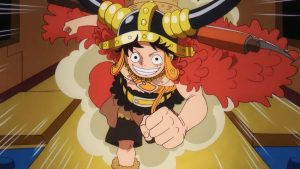
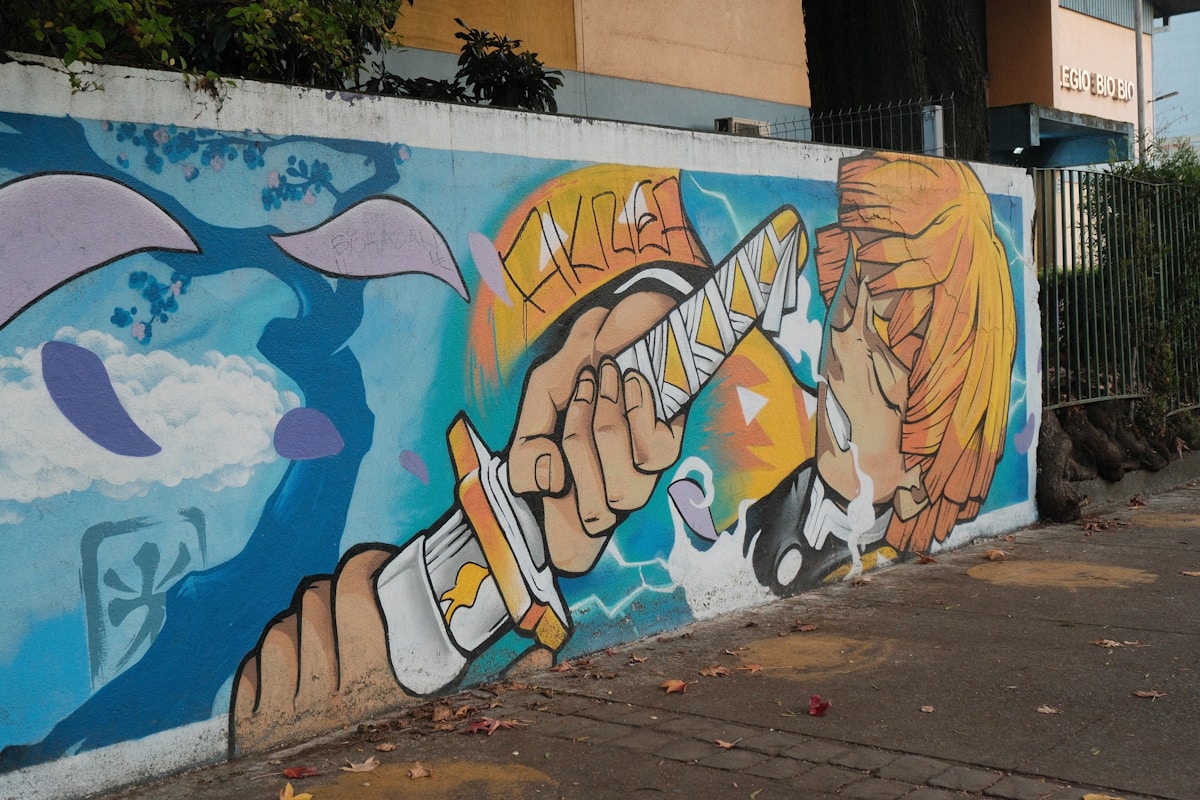
Kazuhiko Torishima, the legendary editor who helped shape Dragon Ball into the cultural juggernaut it is today, has just delivered a blistering critique of the modern anime and manga landscape — and he did not hold back on some of the biggest titles in the industry. Speaking at Comicon Napoli 2026, Torishima took aim at beloved franchises like One Piece, Demon Slayer, Jujutsu Kaisen, and Chainsaw Man, sparking a firestorm of debate across anime communities worldwide.
Who Is Kazuhiko Torishima?
If you know Dragon Ball, you already know his name. Kazuhiko Torishima was Akira Toriyama’s original editor at Weekly Shonen Jump — the man who pushed Toriyama to refine his storytelling, sharpen his character designs, and create the kind of narrative momentum that turned a quirky adventure manga into a global phenomenon. He was instrumental in shaping not just Dragon Ball, but Dr. Slump and the broader Shonen Jump editorial philosophy that defined an entire generation of manga readers.
When Torishima speaks, the manga industry listens. And what he said at Comicon Napoli 2026 has sent shockwaves through the fandom.
The Core Criticism: Three Pillars of Modern Decline
Torishima’s critique centered on three fundamental problems he sees in today’s manga and anime industry:
1. Overreliance on Written Text
According to Torishima, modern manga has become too dependent on exposition-heavy dialogue and internal monologues. Where the golden age of Shonen Jump relied on dynamic visual storytelling — letting the art carry the emotional weight of a scene — contemporary series increasingly lean on walls of text to explain power systems, character motivations, and plot developments. The result, he argues, is manga that reads more like light novels than the visually-driven medium it was meant to be.
2. Drifting Away from Young Audiences
Shonen manga was originally designed for young boys — it is literally in the name. But Torishima argues that many of today’s most popular series have become increasingly complex, dark, and thematically mature, effectively pricing out the younger readers who should be their core audience. This shift may attract older fans, but it fundamentally changes what shonen manga is and who it serves.
3. Limited Artistic Composition
Perhaps his most damning critique: Torishima believes the visual composition of modern manga panels has grown stagnant. Where artists like Toriyama, Takeshi Obata (Death Note), and Hiromu Arakawa (Fullmetal Alchemist) used dynamic page layouts and creative panel arrangements to create cinematic reading experiences, many modern series rely on formulaic, static compositions that prioritize readability over artistry.
What This Means for One Piece, Demon Slayer, and Jujutsu Kaisen
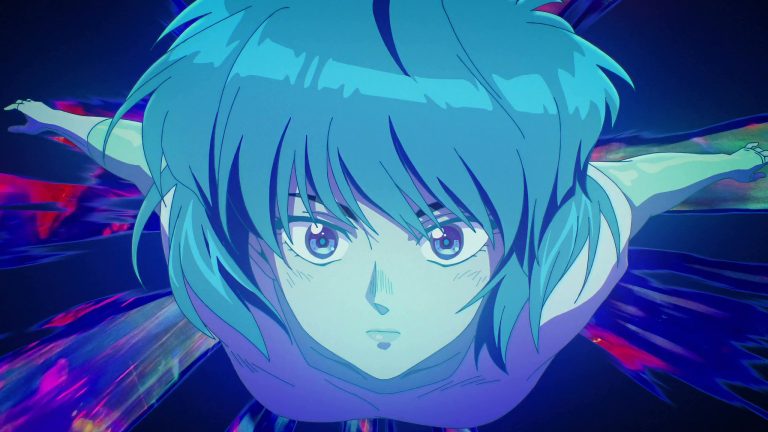
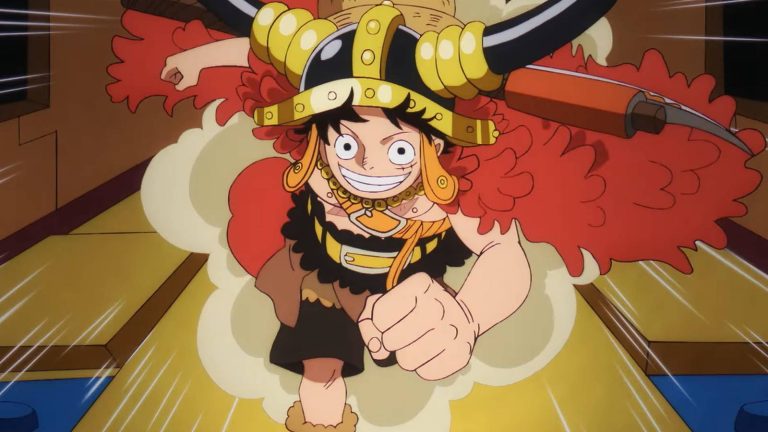
Torishima did not spare the titans of the modern era. One Piece, despite being the best-selling manga of all time, faces consistent criticism for its pacing — both in the manga and the anime. Demon Slayer, while visually stunning in its anime adaptation (courtesy of Ufotable), has been critiqued for relatively straightforward storytelling. And Jujutsu Kaisen, with its labyrinthine power system and dense exposition, exemplifies exactly the kind of text-heavy approach Torishima is pushing back against.
Chainsaw Man, despite its critical acclaim and wildly creative premise, also falls under the umbrella of what Torishima sees as a departure from the clean, visually-driven storytelling that defined the medium’s golden era.
The Internet Reacts: Fury, Agreement, and Everything in Between
Unsurprisingly, the internet has exploded. Here is how the anime community is responding:
- Team Torishima: Older fans and manga purists argue that he has a point. Many cite the bloated pacing of the One Piece anime, the exposition dumps in the Jujutsu Kaisen manga, and the increasingly complex power-scaling debates as evidence that modern series have lost their way.
- Team Modern: Younger fans counter that the industry has evolved for a reason. Modern audiences are more sophisticated, and series like Chainsaw Man and Jujutsu Kaisen offer storytelling depth that older shonen could not match. They argue that visual storytelling has not declined — it has simply changed.
- The Middle Ground: Some fans acknowledge both perspectives, suggesting that the industry is in a transitional phase. Studios like MAPPA and Ufotable are pushing anime visuals to unprecedented heights, even if the manga source material may lean more text-heavy.
Is Torishima Right — or Just Out of Touch?
Here is the thing about Torishima: he has earned the right to have strong opinions. He edited one of the greatest manga ever created. His fingerprints are on the DNA of everything that came after. But the industry he helped build has grown into something far larger and more diverse than anything anyone could have predicted in the 1980s.
The argument is not necessarily that modern anime and manga are bad — it is that they are different. They serve a different audience, tell different kinds of stories, and use different tools to do it. Whether that is an evolution or a decline depends entirely on what generation of fan you ask.
Why This Debate Matters
This conversation matters because it reflects a broader tension in the anime and manga industry. Shonen Jump’s circulation has declined significantly from its 1990s peak, and publishers are actively trying to capture new audiences through digital platforms, international markets, and multimedia franchises. Torishima’s critique is, at its core, a question about identity: what is shonen manga supposed to be, and who is it supposed to be for?
There is no easy answer. But the fact that a figure as respected as Torishima is raising these concerns publicly suggests that this is not just one old editor’s gripe — it is a genuine debate about the future direction of the medium.
The Bottom Line
Kazuhiko Torishima’s Comicon Napoli 2026 speech has reignited one of the most divisive conversations in anime and manga: have we lost the magic of the golden age, or have we simply moved on to something new? The answer probably lies somewhere in the messy middle — and the debate itself proves that fans care deeply about the medium they love.
What do you think? Is Torishima onto something, or is this just a legendary editor romanticizing the past? Drop your take in the comments — this one is going to get heated.