



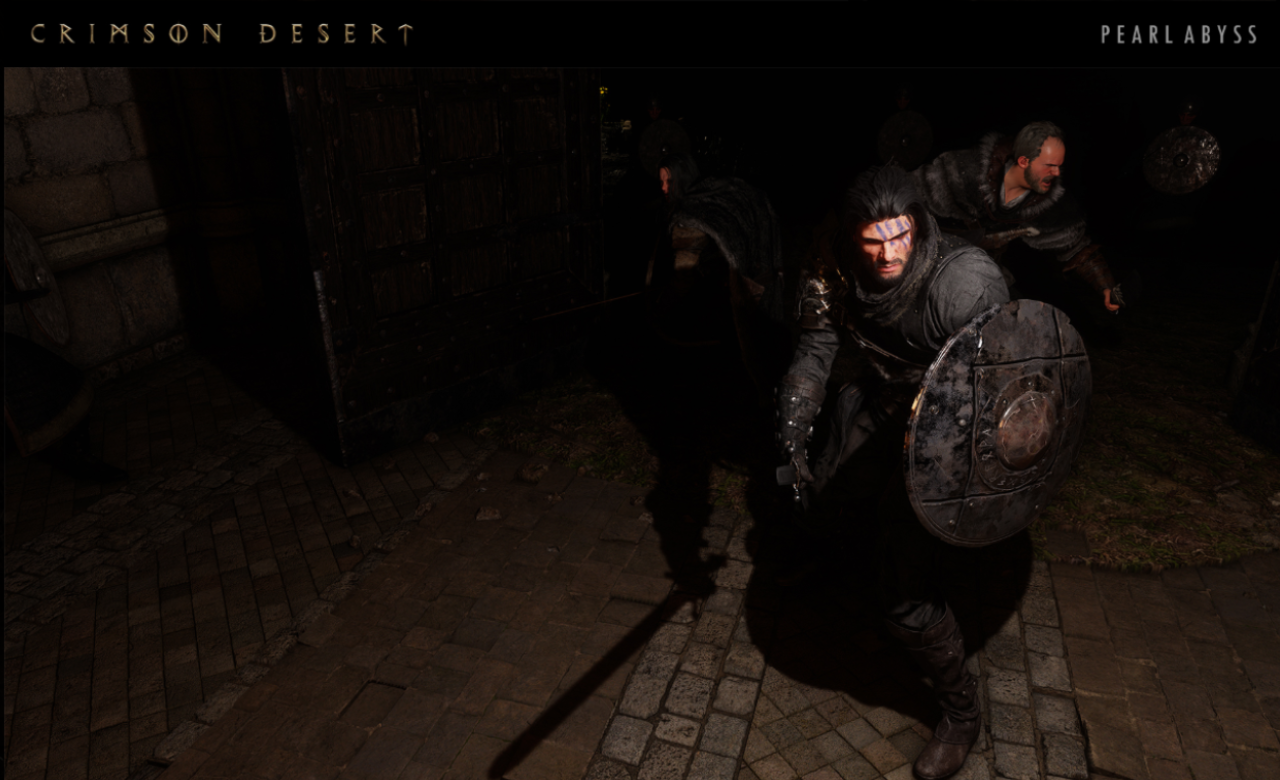
Have you ever watched an action RPG trailer and thought the combat looked so fluid, so punishing, and so cinematic that it almost seemed too good to be true? When South Korean developer Pearl Abyss first unveiled Crimson Desert, skeptical gamers across the globe questioned whether a massive open-world title could truly deliver physics-defying wrestling takedowns, devastating sword collisions, and seamless traversal at such an unprecedented graphical fidelity. Now, fresh extended gameplay reveals and behind-the-scenes insights confirm that executive producer Dae-il Kim is crafting what might be the single most ambitious fantasy epic of the decade.
The Gritty World of Pywel and the Mercenary Struggle
Unlike traditional high-fantasy epics where players step into the shoes of a prophesied savior bathed in divine light, Crimson Desert throws you straight into the mud, blood, and cutthroat political turmoil of Pywel. Players take command of Kliff Macduff, the hardened leader of the Greymanes mercenary band, as he navigates brutal betrayal, crumbling factions, and mythic horrors lurking beyond civilization’s borders.
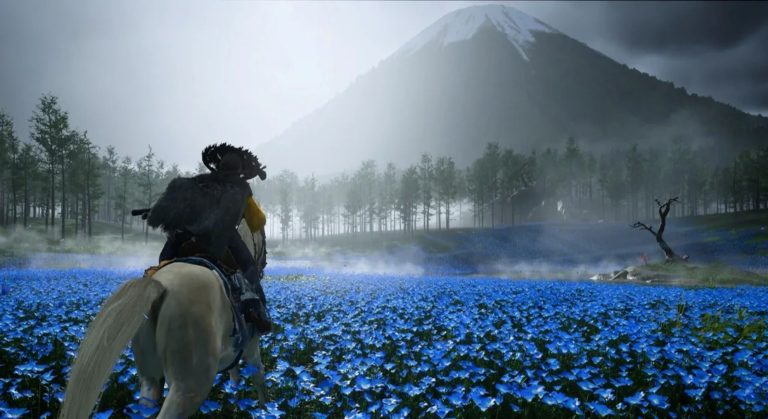
Pywel is divided into vastly distinct territories, ranging from the scorched sunbaked plains of Akpen to the frozen tundras of Kweiden and the decaying, bandit-infested baronies of Hernand. Co-director Hwan-kyeong Jung emphasized that survival in Pywel is not merely about swinging a blade; it requires mastering environmental conditions, negotiating treacherous allegiances, and adapting to unpredictable emergent encounters in the wild. While games like Monster Hunter Wilds have redefined dynamic ecosystems, Crimson Desert pushes living world technology into a dark, visceral realm of mercenary warfare.
Proprietary BlackSpace Engine: Redefining Visual Fidelity and Physics
One of the primary reasons Crimson Desert looks so distinctly fluid compared to its contemporaries is Pearl Abyss’s proprietary in-house technology, the BlackSpace Engine. Rather than licensing off-the-shelf software, founder Dae-il Kim spearheaded an internal graphics architecture built specifically to handle complex environmental destruction, realistic fabric simulation, and advanced lighting models without crippling frame rates.
- Interactive Environments: Trees snap under the weight of charging mythical beasts, wooden battlements shatter beneath heavy artillery, and dry grasslands catch fire dynamically during intense clashes.
- Seamless Climbing and Traversal: Drawing inspiration from both classic adventure mechanics and modern parkour systems, Kliff can scale rocky cliff faces, vault over fortifications, and glide across vast canyons using ancient artifacts.
- Unmatched Audio Direction: Veteran audio director Hwiman Ryu has composed a breathtaking sonic landscape that blends traditional folk instrumentation with sweeping orchestral fury, amplifying the tension of every clash.
Revolutionary Combat: From Precision Swordsmanship to Wrestling Slams
The combat sandbox of Crimson Desert represents a bold departure from standard hack-and-slash or stamina-locked action titles. Kliff is not just an expert fencer; he is an all-around brawler who combines European broadsword techniques, shield parries, hand-to-hand grapple maneuvers, and even professional wrestling takedowns.
Facing off against heavily armored foot soldiers? Kliff can slide underneath a thrust, kick the opponent behind their knees, and perform a devastating suplex directly into a stone wall. Battles against towering bosses, such as the frost-wreathed terror White Horn or the sinister necromancer Hexe Marie, demand precise timing and aggressive positioning. Players must grapple onto colossal limbs, target glowing weak points, and switch weapons on the fly to survive chaotic multi-phase encounters. Much like the tension found in high-stakes action hits like Resident Evil 9 or the fast-paced mobility of Zenless Zone Zero, mastering Kliff’s momentum is essential for dominating the battlefield.
Why Crimson Desert Could Set the New Benchmark for Action RPGs
For years, open-world gaming has wrestled with the compromise between mechanical depth and map scale. Many massive worlds end up feeling hollow, relying on repetitive checklist objectives, while deeply mechanical action games often remain confined to linear corridors. Pearl Abyss aims to eliminate that trade-off entirely.
By blending deep narrative storytelling, responsive physics, and an interactive mercenary management system where your surviving comrades play active roles in world encounters, Crimson Desert is shaping up to be an unforgettable milestone on PlayStation 5, Xbox Series X/S, and PC via Steam.
What Do You Think?
Will Crimson Desert finally bridge the gap between complex action brawlers and sprawling open-world role-playing games? Are you excited to lead the Greymanes and explore the dangerous lands of Pywel as Kliff Macduff, or do you prefer traditional turn-based fantasy adventures? Drop your thoughts, theories, and combat wishlists in the comments below!




One thought on “Crimson Desert Gameplay Deep-Dive: Why Dae-il Kim and Pearl Abyss’s Brutal Pywel Epic Will Redefine Open-World Action RPGs”