
In the expansive, thirty-year chronicles of Eiichiro Oda’s magnum opus, specific numerical thresholds carry the weight of scripture. Chapter 100 brought the fateful departure from Loguetown; Chapter 500 ripped open the curtains on Silvers Rayleigh and the deep rot of the Celestial Dragons; Chapter 1000 cemented Monkey D. Luffy as the transcendent sovereign of the new generation atop Onigashima; and Chapter 1100 tore our hearts out through the tragic, revolutionary lens of Bartholomew Kuma. Now, as the narrative horizon rapidly accelerates toward the monumental Chapter 1200, the manga world finds itself anchored in the colossal shores of Elbaf—the long-promised land of warriors, giants, and ancient truths.
The stage being set in the current serialization is far from a whimsical Scandinavian detour. Beneath the rustling golden foliage of Yggdrasil-like canopies lies a volatile geopolitical tinderbox. With the introduction of the bound, patricidal Prince Loki, the lingering ghost of the Sun God Joy Boy, and the encroaching shadow of the World Government’s Holy Knights, Chapter 1200 is structurally primed to serve as the narrative catalyst for the Final Saga’s true Ragnarök. The prevailing theory dominating high-level discourse suggests something far more sinister than simple diplomatic intrigue: an awakening of Void Century war relics buried in the subterranean core of Elbaf, synchronized with the unshackling of Prince Loki’s apocalyptic, divine devilry.
The Centennial Milestone Blueprint: Why Chapter 1200 Demands Cataclysm
The Arithmetic of Eiichiro Oda’s Structural Climax
To understand what lies ahead, one must examine Oda’s structural psychology. The author does not treat triple-digit or centennial milestones as arbitrary markers. They are narrative fulcrums designed to fundamentally alter reader perception of the world’s power balance. Following the info-dump cataclysms of Vegapunk’s global broadcast on Egghead Island, the narrative pace has officially broken into a dead sprint. The Straw Hats are no longer exploring uncharted waters; they are navigating the battleground where the 800-year-old war will inevitably conclude.
Chapter 1200 sits at the precise point where the preliminary world-building of Elbaf must transition into active conflict. The Giants are not mere allies; they are living libraries of forgotten history. By orchestrating a massive revelatory rupture at the 1200-chapter mark, Oda can fulfill decades of narrative promises while simultaneously destabilizing the current equilibrium between the Yonko, the Marines, and the shadowy puppet masters of Mary Geoise.
The Roots of Yggdrasil: Adam, Eve, and the Buried Engines of the Great Kingdom
The Subterranean Vaults: The Underside of Midgard
Elbaf’s geography is heavily modeled on Norse cosmology, dividing the world into branches, trunks, and roots. While the warrior tribes inhabit the majestic upper tiers beneath towering wooden arches, it is the subterranean underworld—reminiscent of Niflheim and the dark roots of Yggdrasil—that demands immediate scrutiny. For decades, lore theorists have mapped the symbiotic duality of the botanical giants: the Treasure Tree Adam, renowned for its indomitable wood, and the Sun Tree Eve, which channels deep oceanic light down to Fish-Man Island.
If Elbaf is, as heavily hinted, the physical sanctuary of the Treasure Tree Adam, then its deep root systems do not simply anchor the island into the ocean crust; they encase the forgotten battlefield of the Void Century. Just as the Iron Giant Emeth lay dormant within Egghead’s scrap heap waiting for the Drums of Liberation, Elbaf’s subterranean depths likely harbor surviving warmachines of the Ancient Kingdom. The Giants have spent centuries guarding something far deadlier than ancestral honor. The theory holds that buried directly beneath the throne of King Harald lies a dormant armory of ancient war relics—colossal siege weapons designed specifically for giant physiology, powered by the same maternal flame or atmospheric energy that fueled the Great Kingdom before the catastrophic rise of the ocean levels.
When the sea engulfed the world 800 years ago, Elbaf’s mountainous elevations and towering botanical architecture allowed it to survive unflooded. The relics buried within its roots are not water-logged fossils; they are fully intact, battle-ready technologies from Joy Boy’s personal coalition, awaiting the dawn of the sovereign who bears his rhythm.
Loki Unbound: The Fenrir Archetype and the Accursed Devil Fruit
The Psychology of the Chained King
Few character introductions in recent memory have carried the mythic, unsettling presence of Prince Loki. Shackled in massive sea-prism chains, eyes wrapped in dark bandages, and dripping with manic, predatory charisma, Loki is framed simultaneously as a patricidal demon and a tragic scion of a corrupted legacy. His parallels to the mythical Norse Loki and the great wolf Fenrir—chained by the gods until the arrival of the end times—are unmistakable.
The lore established that Loki murdered his own father, King Harald, to consume an ancient, “accursed” Devil Fruit passed down within the Elbaf royal family for generations. If history has taught us anything about Oda’s subversive characterization, it is that propaganda rarely reflects absolute truth. Did Loki slaughter his father out of blind greed, or was Harald preparing to submit Elbaf’s sovereignty to the World Government? Chapter 1200 is heavily poised to reveal the true parameters of Loki’s so-called crime and unleash the full horror of his awakened powers.
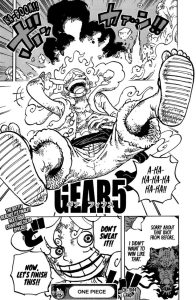
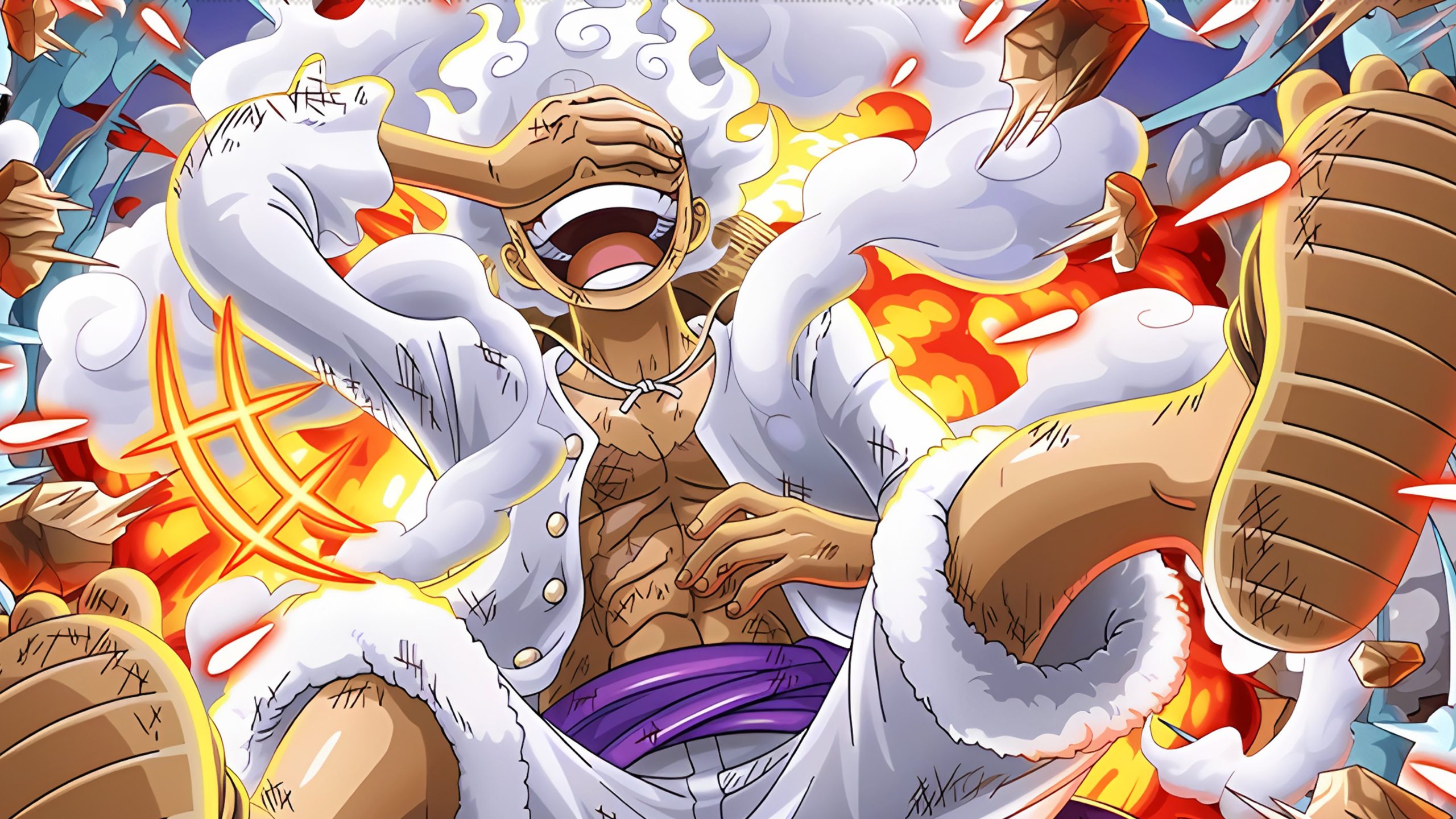
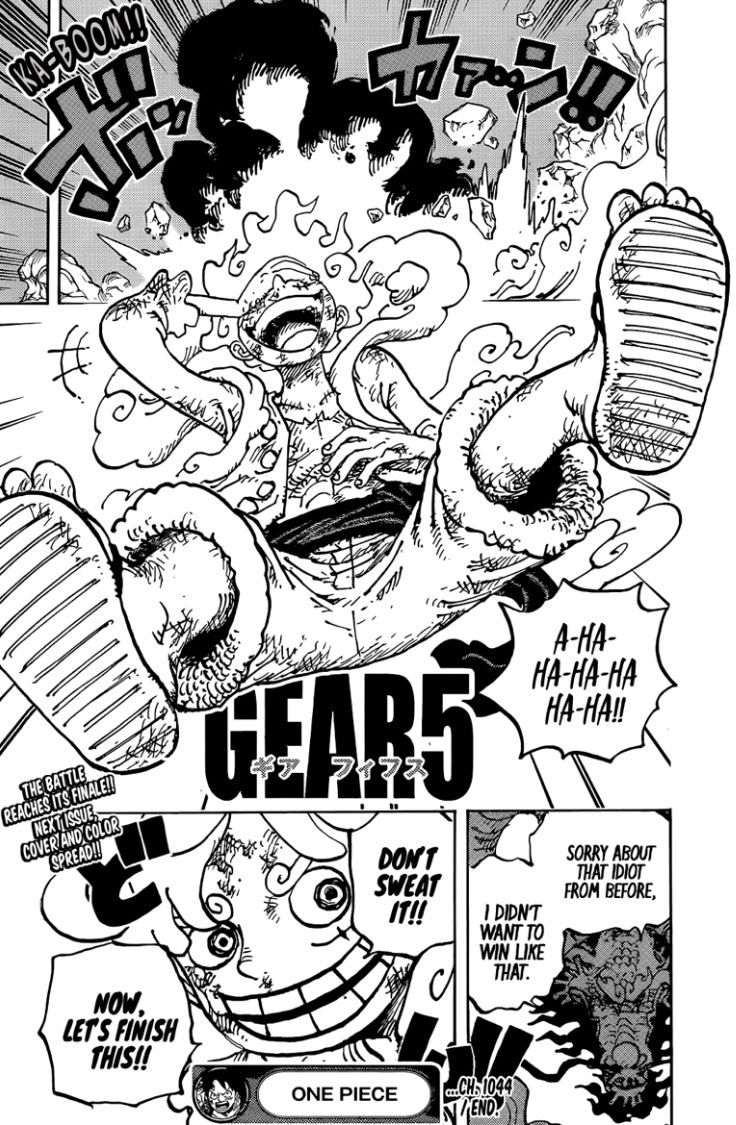
The psychological friction between Luffy and Loki will not be a simple rehash of hero-versus-tyrant. Loki possesses an ideological nihilism borne from knowing the truth of the world’s suppression. When those divine bindings shatter—whether broken intentionally by an impulsive Gear Fifth Luffy or shattered in the chaos of an outside assault—Loki’s “divine wrath” will manifest not merely as raw physical devastation, but as the conceptual antithesis to the Sun God: an ancient, unbridled force capable of unraveling Elbaf’s sacred canopy from the inside out.
The Convergence of Shadows: The Holy Knights Strike the Sacred Land
The Celestial Dragon Vanguard at the Gates
Elbaf cannot remain an isolated playground for long. The ascension of Saint Figarland Garling to the Five Elders marks a terrifying shift in the World Government’s strategic doctrine. The Gorosei are no longer passive bureaucrats operating from the Pangaea Castle; they are ruthless, active tacticians deploying their most lethal covert military wing: the Holy Knights (God’s Knights).
With Mary Geoise acutely aware that the Straw Hats, the Giant Warrior Pirates, and perhaps remnants of the Red Hair coalition are congregating on Elbaf, neutrality is off the table. Chapter 1200 provides the perfect structural entry point for the Holy Knights to make planetfall on the warrior kingdom. Their objective? Not just the extermination of Luffy, but the acquisition of the Void Century relics resting within Adam’s roots and the containment—or instrumentalization—of Prince Loki himself.
This transforms Elbaf from an exposition hub into a chaotic three-front war: the Straw Hats attempting to navigate the tangled moral labyrinth of the Giants, Loki seeking absolute vengeance against the world order that branded him a monster, and the Holy Knights executing a scorched-earth mandate to purge the final sovereign sanctuary outside the Marines’ jurisdiction.
The Dawn of Ragnarök: What Chapter 1200 Means for the Final Saga
As the narrative approaches this towering centennial marker, the stakes of One Piece have never felt more razor-sharp. Chapter 1200 will not merely be another step forward; it has every hallmark of being an ideological point of no return. If Oda pulls the trigger on unearthing the Ancient Kingdom’s submerged war relics while liberating Loki’s untamed cataclysm, the romantic era of piracy will officially end, replaced by the full-scale apocalyptic war Oda has spent twenty-seven years building toward.
The roots of Elbaf are stirring, the chains are rattling against the sea-prism stone, and the drums of liberation are echoing straight down into the subterranean abyss. When the seal finally breaks, the world will discover that the Giants’ greatest treasure was never gold, glory, or even lineage—it was the weapon that can finally bring the sky down on the gods.
What do you think, Nakama? Is Prince Loki a misunderstood anti-hero protecting the ancient war secrets, or will his liberation unleash a catastrophe that Luffy will have to put down? Drop your wildest Chapter 1200 theories in the comments below!
One thought on “One Piece Chapter 1200 Theory: The Void Century War Relics Beneath Elbaf and Loki’s Unshackled Divine Wrath”