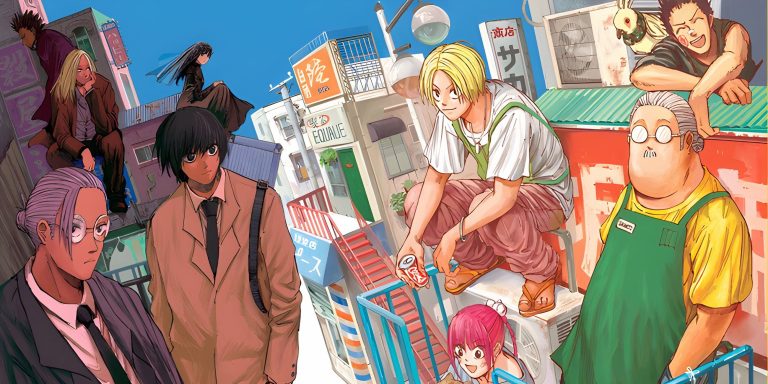

The modern battle shonen landscape is currently suspended in a high-stakes transitional era. With industry titans like My Hero Academia taking their final bows and Jujutsu Kaisen approaching its apocalyptic conclusion, the anime ecosystem has been violently searching for its next ideological successor. While many upcoming adaptations play it safe by recycling well-worn tournament tropes and conventional power-scaling systems, Kodansha’s Weekly Shonen Magazine quietly fostered a counter-cultural revolution: Kei Urana’s Gachiakuta. When the announcement dropped that industry heavyweight Studio Bones would helm its television adaptation, the collective pop-culture sphere didn’t just breathe a sigh of relief—it braced for impact. This project isn’t merely another seasonal action slot; it is a brazen, graffiti-drenched assault on consumerist culture that promises to blow the hinges off shonen conventions.
The Ohkubo Lineage: Street-Art Rebellion Meets Dark Fantasy
To understand the sheer volcanic potential of Gachiakuta, one must first trace its artistic lineage. Creator Kei Urana is not an industry outsider stumbling into the limelight; she is the prized protegé of Atsushi Ohkubo, the mastermind behind Soul Eater and Fire Force. Urana served as an assistant on Fire Force, and that mentorship radiates through every jagged, kinetic brushstroke of her work. Yet, where Ohkubo channeled Halloween kitsch and urban fire brigades, Urana leans heavily into industrial decay, counter-culture rebellion, and raw underground grime.
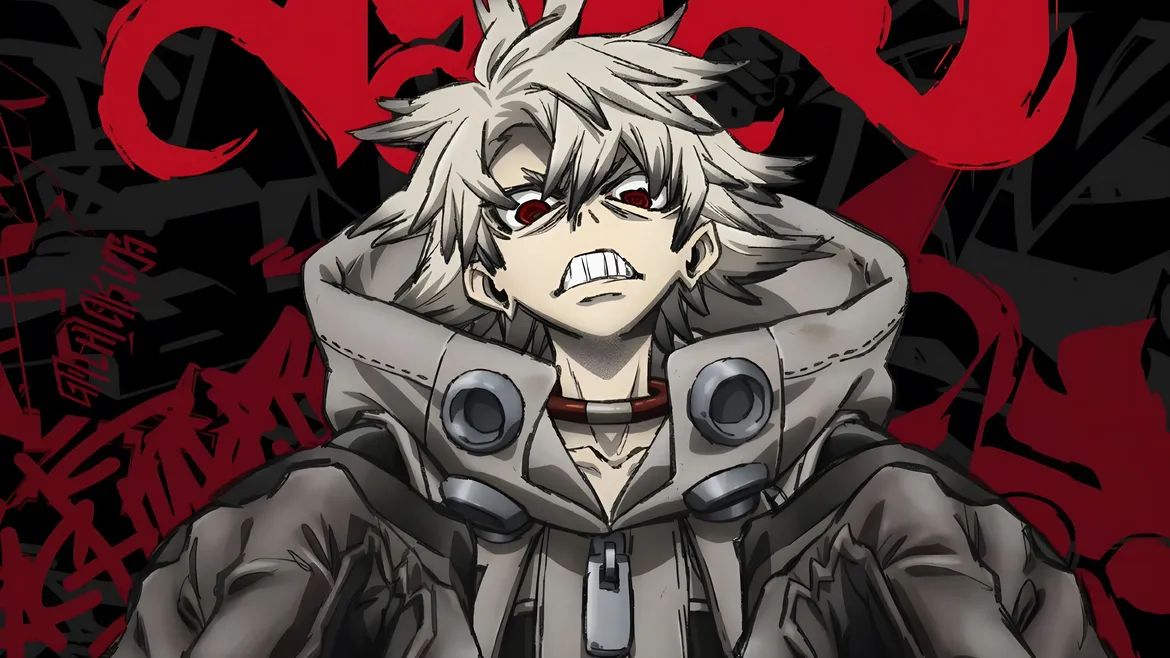
Crucially, Gachiakuta breaks the mold through its official collaboration with graffiti artist Hideyoshi Andou, who provides authentic, stylized urban tags and street designs for the manga’s backgrounds and iconography. This integration of genuine street art gives the series a tactile, anarchic pulse that sets it far apart from the squeaky-clean digital polish that has saturated contemporary anime. Urana’s character designs defy traditional symmetry; they are angular, drenched in heavy ink-drips, baggy utility streetwear, and expressive, manic facial choreography. In an era where many adaptations suffer from visual homogenization, Gachiakuta enters the ring brandishing a completely unique visual signature.
Turning Refuse into Relics: The Philosophy of the “Vital Instruments”
Shonen power systems frequently live or die by their internal logic and thematic relevance. Chakra explored lineage, Nen mastered strategic discipline, and Cursed Energy harnessed humanity’s negative psyche. Gachiakuta, however, anchors its supernatural combat in an explicit anti-consumerist metaphor: the power of Vital Instruments (known in Japanese as Jinki).
The Magic of Care: Deconstructing Jinki
In the world of Gachiakuta, when an everyday inanimate object is cherished, repaired, and deeply cared for over an extended period, it develops a soul—an anima. Individuals known as “Givers” possess the rare ability to draw forth this dormant soul, transforming what society would consider discarded junk into catastrophic weapons of war. Protagonist Rudo wields a pair of weathered gloves gifted to him by his foster father, turning them into devastating conduits that can weaponize anything he touches.
This power system operates as a brilliant subversion of modern throwaway culture. While modern capitalism preaches planned obsolescence and mindless disposal, Urana’s universe posits that true, god-like power is derived from preservation, emotional attachment, and stewardship. A broken umbrella, a pair of rusted scissors, or a patchwork cloak become legendary armaments not because they are divine artifacts, but because a human being invested love into their existence. It is an ingenious thematic mirror that elevates the fights beyond simple physical skirmishes, injecting profound emotional weight into every cracked relic drawn on screen.
Down in the Abyss: Class Warfare, Disposal, and Rudo’s Rage
Narratively, Gachiakuta wastes no time establishing its brutal socio-economic hierarchy. The world is bifurcated into two stark extremes: The Sphere, a pristine, sky-high utopia populated by affluent elites who indulge in rampant overconsumption, and The Pit (or the Ground), a hellish subterranean abyss where the Sphere dumps its endless mountains of garbage—and occasionally, its “undesirables.”
Enter Rudo. Born into the squalor of the Sphere’s slum district and branded as the son of a murderer, Rudo survives by diving into the rich’s dumpsters, hunting for objects that can still be saved. When he is framed for the horrific murder of his foster father, Regto, the corrupt aristocracy wastes no time sentencing him to the ultimate punishment: throwing him down the disposal chute into the abyss below. Miraculously surviving the fatal drop, Rudo finds himself in an alien wasteland crawling with “Trash Beasts”—monstrous amalgamations of abandoned waste infused with toxic residual malice.
Unlike standard shonen protagonists fueled by altruistic dreams of becoming a champion, king, or protector, Rudo is explicitly driven by a feral, unadulterated cocktail of grief and vengeance. He joins The Cleaners—a syndicate of survivalist Givers led by the enigmatic, smoke-breathing Enjin—not to save the world, but to claw his way back up to the Sphere and rip down the elites who treated him like garbage. Rudo’s psychology is that of a cornered, feral animal. Urana doesn’t sanitize his fury; she lets it spill across the panels in terrifying, hyper-stylized grimaces that force audiences to confront the terrifying reality of what happens when society ruthlessly discards human lives.
Studio Bones Unleashed: Why This Partnership Is Explosive
The announcement that Studio Bones is handling the animation production sent shockwaves through the community for good reason. When adapting a series that lives and dies by hyper-kinetic momentum, distorted anatomy, and gritty environment design, very few animation houses possess the pedigree to pull it off. In fact, one could argue Bones is the only studio equipped for this specific assignment.
Bones is the legendary forge behind Soul Eater, Mob Psycho 100, and Blood Blockade Battlefront. They understand the sacred balance between dynamic smear frames, deliberate off-model character acting, and urban visual chaos. The visceral, bone-crunching choreography of Gachiakuta requires an animation philosophy that favors raw, hand-drawn impact over sterile 3D camera sweeps. Between the street-punk soundtrack potential, the opportunities for boundary-pushing composite work featuring Hideyoshi Andou’s graffiti tags, and the high-octane battles against colossal Trash Beasts, Bones has the runway here to deliver a generation-defining visual flex on par with their most celebrated historical accomplishments.
Redefining the Shonen Metagame
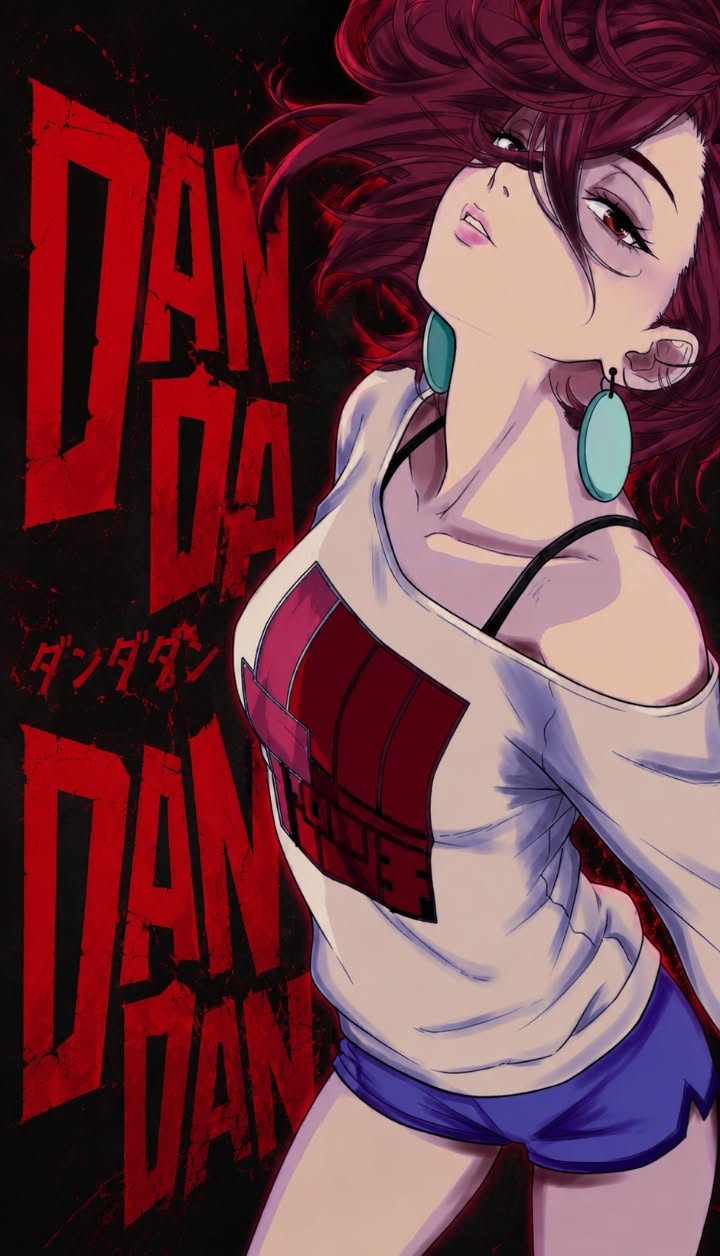
The cultural appetite among anime fans has shifted dramatically over the past five years. The era of the naive, wide-eyed hero embarking on a whimsical adventure has yielded to darker, socially conscious narratives that grapple with existential Dread, systemic corruption, and personal trauma. Chainsaw Man proved audiences crave unhinged psychological depth; Dandadan proved they crave idiosyncratic, counter-culture aesthetics. Gachiakuta occupies the razor-sharp intersection of both.
By framing its entire narrative around the discarded, the forgotten, and the broken, the series speaks directly to a generation of young viewers who frequently feel alienated by economic precarity and institutional apathy. It takes the discarded remnants of the world and transforms them into an explosive cry for agency. When the anime finally hits screens, it won’t just be entering the shonen arena to compete for seasonal viewer metrics—it will be planting its boots firmly in the dirt, spray paint in hand, demanding an absolute reckoning.
What are your expectations for Studio Bones’ adaptation of Gachiakuta? Do you think Rudo has what it takes to stand beside Denji and Yuji as the next great dark shonen icon? Sound off in the comments below, and keep your browsers locked to Wibux.com for all your frontline anime breakdowns, scoops, and analyses!