



Nobody saw this coming. VTubers — virtual YouTubers who perform as animated avatars — were once dismissed as a quirky internet niche. But in 2026, Hololive has completely shattered that narrative. With sold-out arena concerts, jaw-dropping collab announcements, and a fanbase that makes K-Pop stans look calm, Hololive is no longer a subculture. It is a phenomenon. And if you are not paying attention yet, you are already late.
From Bedroom Streams to Arena Stages: How Hololive Got Here
Hololive Production, operated by Cover Corp, launched its first generation of VTubers back in 2018. At the time, the concept seemed almost absurd — anime girls with motion-capture rigs streaming video games and chatting with fans. Fast-forward to 2026, and Hololive talents like Gura, Pekora, Korone, and Mori Calliope are filling 50,000-seat venues across Japan, the US, and Australia.
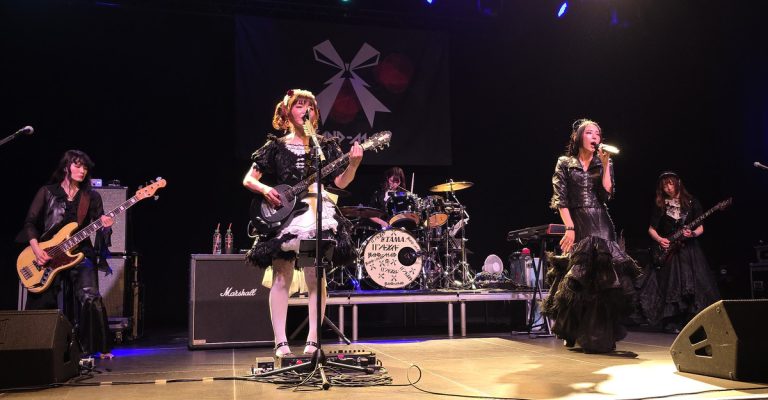
What changed? Everything — and nothing. The core formula remains the same: authentic personalities, parasocial connection, and an avatar that gives performers creative freedom they could never have as a regular streamer. But the production values have gone stratospheric. Hololive concerts now feature real-time 3D animation, full orchestral arrangements, pyrotechnic AR overlays, and synchronized light shows that rival anything you would see at a Taylor Swift Eras Tour stop.
The Hololive Summer 2026 Concert — held across three nights at Saitama Super Arena — broke Cover Corp’s previous attendance records and reportedly pulled in over ¥4 billion in merchandise revenue alone. That is not a niche. That is an industry.
The Secret Sauce: Why Fans Are Obsessed
Here is what mainstream media keeps getting wrong about VTubers: they think the appeal is the avatar. It is not. The avatar is just the vessel. What keeps millions of fans coming back is the same thing that drives any parasocial relationship — the feeling that you genuinely know this person.
Hololive talent spend hundreds of hours streaming. Fans watch them fail at games, laugh until they cry, argue about what to eat for dinner, and celebrate milestones together. By the time a Hololive concert comes around, fans are not just watching a performance. They are celebrating someone they have grown alongside for years. The emotional investment is real, even if the avatar is not.
This is why Hololive concerts sell out in minutes. This is why merchandise drops crash servers. And this is why Hololive’s top talents — like Usada Pekora with over 2.5 million YouTube subscribers — command the kind of loyalty that most human celebrities would kill for.
The 2026 Expansion: What Hololive Is Doing Next
Cover Corp has not been resting on its laurels. The announcements coming out of 2026 have been relentless:
- Hololive English Gen 4 was confirmed, with debut streams expected in Q4 2026 — and the teaser art alone broke Twitter trending worldwide.
- A dedicated Hololive anime series is reportedly in development with a major streaming partner, adapting fan-favorite lore from multiple talents.
- The HoloFes 6 global expansion will include simultaneous live screenings in Los Angeles, London, and Sydney — the first time a VTuber concert event has gone fully international in this format.
- Hololive x Bandai Namco merch collaboration dropped in August 2026 and sold out every SKU within 40 minutes.
Compare this to where VTubers were in 2020, and the growth is almost incomprehensible. Back then, Hololive was a novelty. Now it is a media empire.
The Rivals Are Watching and Scrambling
Hololive is not operating in a vacuum. Nijisanji, its biggest competitor, has its own massive fanbase and a strong foothold in international markets. VSPO — the esports-focused VTuber agency — is carving out a completely different lane by leaning into competitive gaming and tournaments. And dozens of smaller indie VTubers have been inspired by Hololive’s success to go it alone, building passionate communities from scratch.
Even traditional entertainment is paying attention. Several major talent agencies in Japan and Korea have launched VTuber divisions in 2025-2026, understanding that this format is not going away. Meanwhile, platforms like YouTube, Twitch, and even TikTok have begun developing VTuber-specific features to capture the audience.
The question is no longer “will VTubers become mainstream?” They already are. The question now is: how big can this get?
What the Critics Still Get Wrong
There is a persistent criticism of VTubers from people who have never actually watched one: “It is fake. You are just watching a cartoon.” This critique fundamentally misunderstands what makes live entertainment compelling.
When you watch a Broadway musical, the performer is wearing costume and makeup that transforms them. When you watch an idol group, the image is carefully constructed by a management agency. When you watch a professional wrestler, the character is a performance layer over the real person. VTubers are no different — the avatar is just a more radical version of stage costume.
What is not fake is the hours of content, the genuine laughter, the unscripted moments that clip and go viral, and the real human beings behind the avatars pouring their hearts into their performances. Ask anyone who has watched a Hololive graduation ceremony — those tears in the chat are absolutely real.
Wibux has covered some of the most exciting moments in this space, including Yuika breaking the internet with her anime OP performance and The Weeknd’s surprise NieR x Evangelion collab — proof that the lines between anime, music, and VTuber culture are blurring faster than anyone predicted.
The Future Is Virtual — And It Is Arriving Faster Than You Think
Here is the wildest prediction circulating in VTuber fan communities right now: within the next five years, a VTuber will headline a music festival alongside human artists — not in a VTuber stage side tent, but as a main stage act. Given the trajectory of 2026, this is not a fantasy. It is a scheduling question.
Hololive has already demonstrated that audiences will pay premium prices for virtual performances. The technology exists to project stunning live avatars at massive outdoor festivals. The fanbases exist. The cultural moment exists. All that remains is for one bold festival organizer to make the call.
And when that happens, everyone who called VTubers a fad will have a lot of explaining to do.
The Real Question for Fans
Whether you are a longtime Hololive viewer who has watched every superchat, a casual anime fan who stumbled across a Pekora clip, or someone who is just now hearing about this world for the first time — the trajectory is undeniable. VTubers are not going away. They are growing, evolving, and pushing the boundaries of what live entertainment can be.
The only thing left to debate is: which Hololive talent has the best chance of being the first VTuber to headline a global music festival?
Drop your pick in the comments — and if you think another VTuber agency is going to beat Hololive to that milestone, make your case. This is one fandom war that is just getting started.