Studio Ghibli’s Toshio Suzuki Finally Breaks Silence on Ghibli-Style AI Images — and His Answer Is Brutally Honest
For nearly two years, the internet couldn’t stop talking about “Ghibli-style” AI images. The trend exploded when generative AI tools made it possible for anyone to turn a photo of themselves, their pet, or their dinner into something that looked like a frame from My Neighbor Totoro or Spirited Away. Social media was flooded. Arguments broke out. Artists fumed, tech fans cheered, and Studio Ghibli — the actual studio whose aesthetic was being copied millions of times a day — stayed completely silent.
Until now. In a rare interview with Japan’s Asahi Shimbun, Studio Ghibli co-founder and legendary producer Toshio Suzuki has finally shared his thoughts on the AI art phenomenon. And true to form, the man who helped build the most beloved animation studio on Earth didn’t mince words.
“Everyone Got Tired of Them Pretty Quickly”
Suzuki was asked directly how he felt about the wave of Ghibli-style AI images that took over the internet. His answer was classic Suzuki — calm, pragmatic, and just a little bit dismissive:
“When [Ghibli-style AI images] first started showing up online, I got asked about it a lot. But I figured everyone would get tired of them pretty quickly. Sure enough, that’s what’s happened.”
It’s a remarkably chill response for something that sparked so much online fury. No lawsuits threatened. No angry statements. Just a veteran producer shrugging and saying, essentially: we knew the hype would die, and it did. Whether the drop-off is as universal as Suzuki claims is debatable — the debate is still very much alive in anime communities — but as a first official reaction from the studio, it’s telling.
Can AI Animate Like Ghibli? Suzuki Says No
The interview didn’t stop at still images. Suzuki was also asked the obvious next question: what happens when AI moves from copying Ghibli style to copying Ghibli animation? AI-generated video tools have advanced fast, and plenty of doomsayers predicted studios like Ghibli would eventually be rendered obsolete.
Suzuki is having none of it:
“AI can create certain types of animation, but people with a moderate amount of intelligence can see right through it. There’s not really much point to it. It’s not interesting or compelling.”
That’s a brutal verdict — and it’s hard to argue with it. Ghibli’s magic was never just pretty backgrounds and soft colors. It’s the in-between frames, the subtle breathing of characters, the weight of a hand reaching for a doorknob, the silent scenes that say more than any dialogue could. That’s not a “style” you can prompt your way into. That’s craft built over decades by people like Hayao Miyazaki, who once famously called AI-generated art “an insult to life itself.”
And What Does Miyazaki Think? “He Doesn’t Know What Generative AI Is”
Here’s the part every Ghibli fan will be quoting for weeks. Asked how his longtime partner and director Hayao Miyazaki feels about generative AI, Suzuki dropped this gem:
“Miya-san doesn’t know what generative AI is in the first place.”
Probably a bit of an exaggeration — but the point is unmistakable. Miyazaki, now in his mid-80s and still hand-drawing storyboards for his next film, has so little interest in the AI revolution that it might as well not exist to him. Suzuki’s comment is a cheeky way of saying: Miyazaki doesn’t care what the rest of the industry is doing. He’s going to keep making his art his way, on his timeline, until he physically can’t anymore.
And you know what? He can afford to.
Why Ghibli Can Afford to Ignore AI (and Most Studios Can’t)
Let’s be honest: Suzuki’s dismissiveness isn’t just artistic pride — it’s economic reality. Studio Ghibli occupies a position that no other animation studio on Earth enjoys:
- Unmatched prestige: Decades of critical and commercial masterpieces mean every new Ghibli film gets financed on reputation alone.
- Miyazaki is the collateral: His involvement is basically all the guarantee they need to secure funding.
- Top talent on demand: When Ghibli gears up for a project, Japan’s best animators line up to work with them.
- No deadline pressure: Ghibli takes years to make films. In an industry squeezed by brutal production schedules, that’s an impossible luxury.
Meanwhile, the studios and creators who do feel the AI pressure are exactly the ones without that buffer — smaller studios drowning in deadlines and budgets, where the “cost savings” of AI look dangerously tempting even when artistic quality suffers. Suzuki’s message to them, in effect, is that AI won’t save you, and it won’t replace the people who actually learned to draw.
What This Means for the Anime Industry
This interview lands at a fascinating moment. Anime has never been bigger globally — between massive Netflix drops like JoJo’s Steel Ball Run, movies like Attack on Titan dominating theatrical releases, and Naruto’s big screen comeback, demand for hand-crafted animation is at an all-time high. And yet studios are quietly experimenting with AI-assisted production, triggered by labor shortages and impossible schedules.
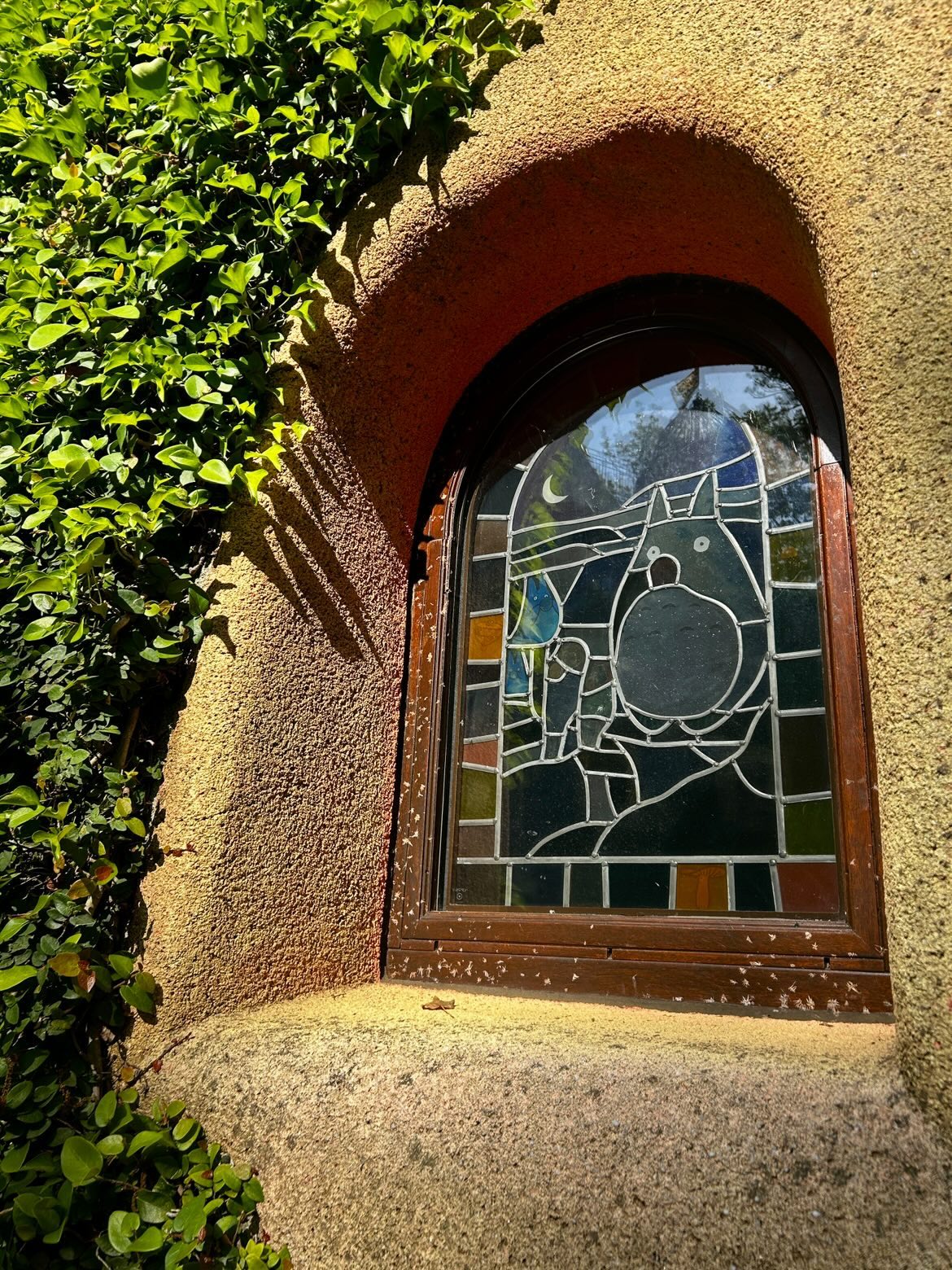
Ghibli’s stance — we will simply keep being good, and that will be enough — is a powerful counterweight to the AI panic. It’s also a reminder that the technology’s real test isn’t whether it can imitate Totoro’s belly. It’s whether it can make you feel something. So far, on that front, the machines are 0 for everything.
The Fan Theories Are Already Flying
As with any big Ghibli statement, the speculation machine is already running. Some fans read Suzuki’s comments as the studio’s quiet resignation to the AI era — a “we won’t fight it, we’ll just outlast it” strategy. Others think this is the opening shot in a longer legal game. A few optimists even wonder whether Ghibli might turn this unexpected cultural moment into a film. (An AI-themed Ghibli movie? Don’t laugh. Earwig and the Witch proved they’re not afraid of new tools; they just refuse to be defined by them.)
So, Is the Ghibli-Style AI Trend Really Dead?
Suzuki thinks it faded — and the evidence is mixed. The trend isn’t as omnipresent as it was at its peak, but type “Ghibli” into any AI generator and you’ll still get flooded with imitations. What has changed is the conversation around it. People got tired of the novelty, sure, but they also got sharper about what it means. The more AI improves, the more people seem to value the thing that AI cannot fake: the human hand, the human eye, and the human heart behind every frame.
So here’s the question I’ll leave you with, and I genuinely want your take in the comments: do you think Suzuki is right — that Ghibli-style AI images were just a passing fad — or is the studio underestimating how much generative AI will reshape anime over the next five years? Would you actually want to see a Studio Ghibli film made with AI assistance, or does the idea feel like a betrayal of everything Miyazaki and Suzuki built? Drop your thoughts below — this debate isn’t going anywhere, even if the AI images eventually did.