


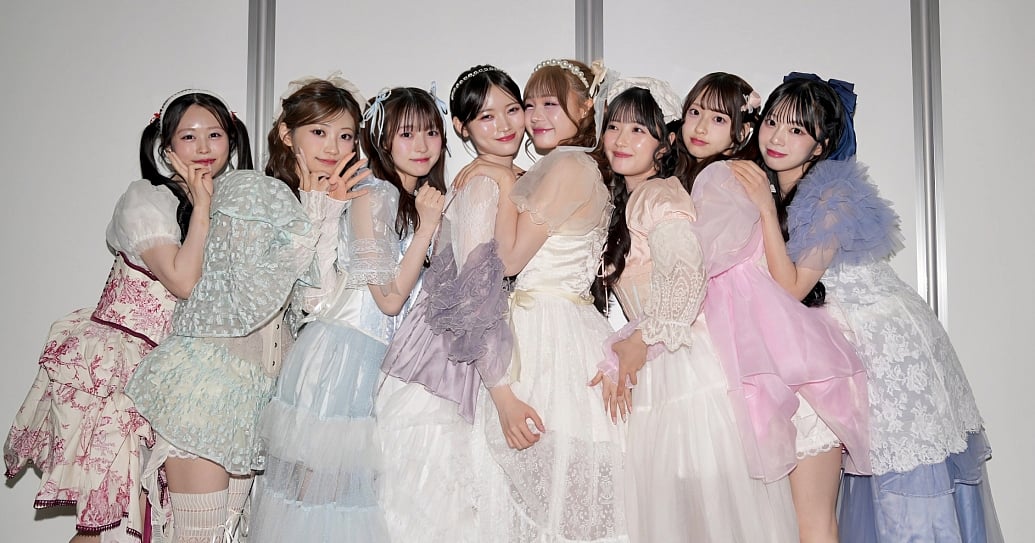
When Japanese girl group Cutie Street performed their track Can We Just Be Cute? on Mnet M Countdown in March 2026, nobody expected the performance video to blow past 11 million views. But that is exactly what happened. The pastel-clad eight-member group did not just go viral, they became the catalyst for something much bigger. South Korea, the undisputed capital of idol music, is suddenly embracing Japanese pop culture in a way that felt unthinkable just a few years ago.
The comments section told the whole story. Korean fans were calling the girls happy shower balls and dancing cupcakes, showering them with affection that once felt reserved exclusively for homegrown acts. Now Cutie Street is preparing to return to South Korea in July 2026 for a second appearance, proving this was no fluke.
How J-Pop Sneaked Into the Heart of K-Pop Territory
Japanese pop music was long considered a niche interest in South Korea. That changed quietly but decisively between 2022 and 2023, when singer-songwriter Kenshi Yonezu became one of the first Japanese artists to truly break through, selling out 22,000 seats across two nights in Seoul. His success was not an isolated incident. It was the opening wave.
The real turning point came when Imase Night Dancer became the first J-pop song to crack Melon Top 100 in 2023. From there, artists like Yoasobi and Aimyon followed, riding a wave of social media algorithms that pushed everything from modern J-pop hits to 1980s Japanese city pop straight into Korean listeners feeds. The floodgates were open.
The Numbers Do Not Lie
The live event data paints the clearest picture of this cultural shift. South Korea first large-scale J-pop festival, Wonderlivet, went from 25,000 attendees in 2024 to over 40,000 in 2025. That is a 60 percent jump in a single year. Meanwhile, upcoming shows by Japanese acts like Back Number and Vaundy are already completely sold out. This is not a trend anymore. It is a movement.
Cutie Street is leading the newest phase of this expansion. They represent something different from the bands and rock artists that previously found Korean audiences. This is full idol culture, complete with choreographed routines, pastel aesthetics, and the kawaii sensibility that Japan has been perfecting for decades.
The K-Pop Playbook, Reversed
Here is what makes this moment genuinely fascinating. Japanese artists are now using the exact same localization strategies that K-pop groups perfected in Japan over the last fifteen years. BTS, BigBang, Twice, and Red Velvet all released Japan-specific albums, Korean artists learned Japanese, and they produced content tailored to Japanese fans. The tables have turned.
Cutie Street released a Korean-language version of Can We Just Be Cute? and has been producing vlogs and short-form content specifically for Korean audiences. They even speak Korean during performances now. Culture critic Kim Sung-soo told The Korea Herald that Japanese artists are using localized strategies to enter the Korean market and appeal to a broader audience. The sincerity of those efforts is being recognized.
This reverse cultural flow is unprecedented. For years, the narrative was all about K-pop conquering the world. Now Japanese artists are proving that the idol formula works both ways, and Korean audiences are not just accepting it, they are enthusiastically embracing it.
From Niche to Mainstream: What Comes Next
According to culture critic Lee Moon-won, J-pop in Korea was mainly associated with bands and rock until now. But idol music and dance pop are beginning to enter as well. With Japanese animation also receiving unexpected traction in South Korea, the outlook is clear. The Japanese cultural wave has plenty of room to grow.
Cutie Street is not just a viral moment. They are the tip of a much larger iceberg. As more Japanese acts adopt K-pop style fan engagement tactics and streaming platforms continue to push cross-cultural discovery, the boundary between J-pop and K-pop fandoms is becoming increasingly blurred. And honestly, that is exactly what makes this era so exciting for music fans everywhere.
What Do You Think?
Is J-pop about to become a permanent fixture in South Korea mainstream music scene, or is this just a passing trend? Could the cultural exchange between Japan and Korea create an entirely new hybrid idol genre? Drop your thoughts in the comments and let us discuss. The next big thing in Asian pop music might be happening right now, and it is coming from the most unexpected direction.