

In an era dominated by seasonal power-fantasy isekai and lightning-paced shonen, the enduring supremacy of Yana Toboso’s dark-gothic magnum opus, Black Butler, feels like an immaculate anachronism. Following the resounding success of the Public School Arc, which demonstrated that CloverWorks could revitalize the franchise with visual prestige and narrative fidelity, the announcement of the Emerald Witch Arc (Midori no Majo-hen) has sent shockwaves through the anime ecosystem. This is not merely another episodic detour in the life of the Queen’s Watchdog; it represents the dark thematic nexus of the entire series. Venturing out of the gaslit cobblestones of Victorian London and into the suffocating, myth-choked depths of southern Germany, the upcoming adaptation promises to dismantle Ciel Phantomhive and Sebastian Michaelis in ways that will redefine the franchise for modern audiences.
The Black Forest Protocol: Shifting from Aristocracy to Folklore
For over a decade, the narrative bedrock of Black Butler has rested comfortably within the confines of British high society. Whether untangling Jack the Ripper’s slaughter, unmasking clandestine cults, or infiltrating elite boarding academies, the series maintained its distinct Anglocentric flavor. The Emerald Witch Arc aggressively tears down those velvet curtains. Directed by an ominous decree from Queen Victoria, Earl Ciel Phantomhive and his infernal butler are dispatched to the heart of Germany’s Black Forest—a realm whispered to be haunted by ancient beasts, where trespassers are stricken down by an inexplicable, flesh-rotting curse known as the “Miasma.”
The geographical relocation carries immense narrative weight. By plunging the Phantomhive retinue into an isolated, archaic village terrorized by werewolves (Lycanthropes), Toboso deftly bridges the gap between historical drama and Teutonic folklore. The aesthetic shifts from ornate parlors to claustrophobic woodlands draped in perennially thick mist, transforming the narrative into a chilling psychological horror. Here, Victorian rationality collides with primeval dread, establishing an oppressive atmosphere that will demand the absolute best of CloverWorks’ background art and environmental sound design.
Sieglinde Sullivan and the Deception of Witchcraft
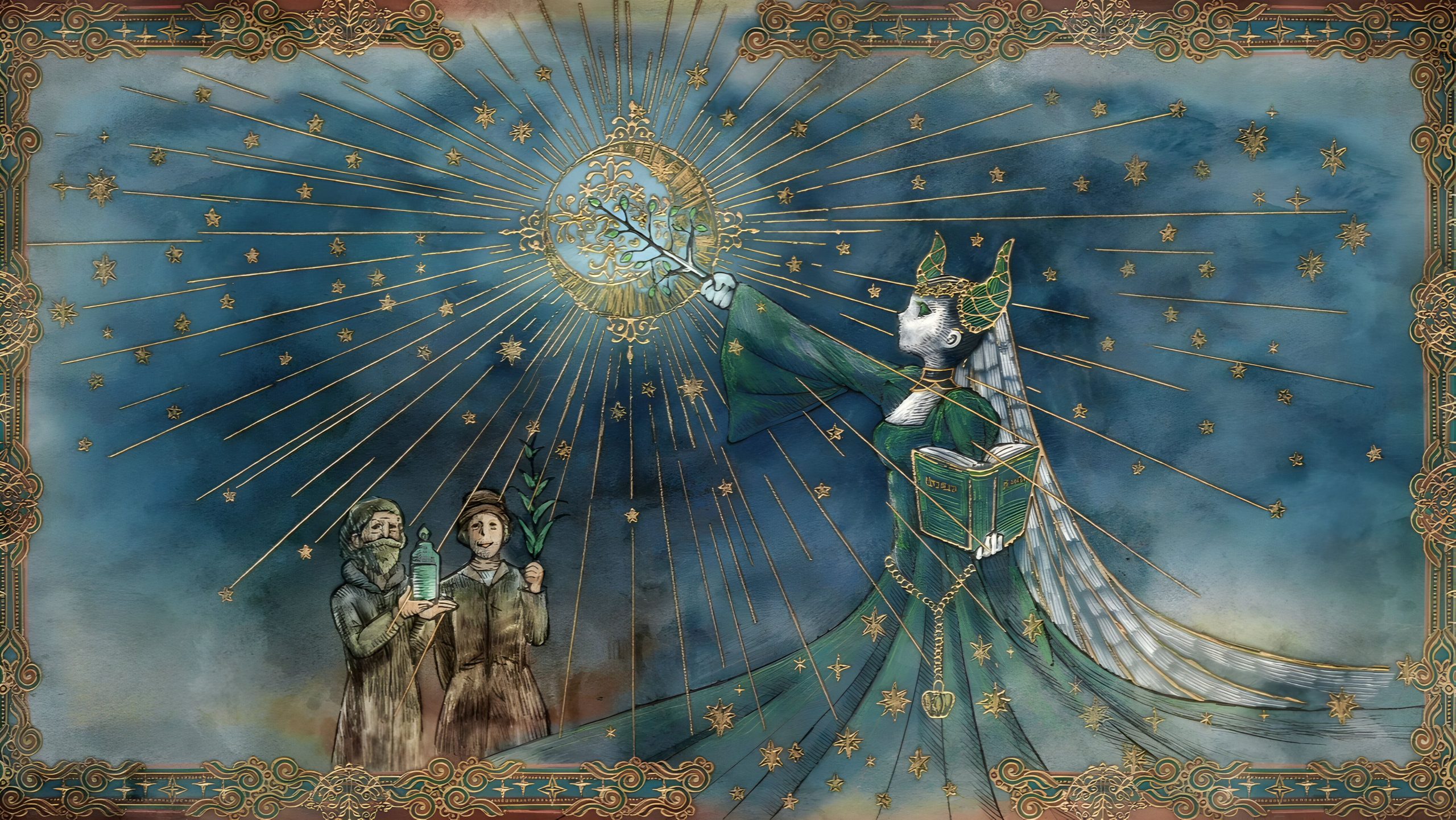
At the beating heart of this upcoming arc lies one of Yana Toboso’s most compelling, tragic, and layered creations: Sieglinde Sullivan, the titular Emerald Witch. Revering ancient alchemical texts and revered as the absolute lord of the cursed village, Sieglinde is a child prodigy whose intellect eclipses even Ciel’s sharpest calculations. Yet, her divine status is a gilded cage. Crippled by the cruel tradition of foot-binding and guarded ruthlessly by her towering butler, Wolfram Gelzer, Sieglinde exists as both an omnipotent matriarch and a deeply exploited captive of her own mythos.
The Horrors of Weaponized Science
What makes the Emerald Witch Arc an undisputed masterstroke of narrative subversion is its refusal to remain a simplistic supernatural fairy tale. Without delving into heavy spoiler territory for anime-only purists, the arc acts as a bridge between gothic occultism and the grim realities of early modern warfare. The “curse” of the forest is not merely a manifestation of ancient hexes; it is an unsettling precursor to nineteenth-century chemical weapon development and state-sanctioned military espionage. In Sieglinde, Ciel finds his truest ideological mirror—a pawn dressed as a monarch, manipulated by older forces into orchestrating unspeakable atrocities under the guise of protection.
The Miasma of the Soul: Ciel Phantomhive’s Absolute Collapse
While the exterior stakes involve international conspiracies and geopolitical gamesmanship between the British Crown and the German Empire, the real emotional core of the arc is the complete, terrifying regression of Ciel Phantomhive. Fans who have grown accustomed to Ciel’s arrogant, unflappable smirk are in for an existential shock. Exposed to the hallucinogenic horrors of the Black Forest’s miasma, Ciel is thoroughly stripped of his aristocratic armor, falling prey to crippling fever dreams that violently resurrect the traumatic sacrifice of his childhood.
This psychological fracture alters the delicate balance between master and demon. Sebastian Michaelis is not an empathetic guardian; he is an ancient, hungry predator bound by a Faustian contract. When Ciel’s shattered mind reduces him to a weeping, catatonic child who can no longer issue commands or articulate his vengeance, the demonic pact teeters on the verge of total collapse. Watching Sebastian navigate a master who cannot feed his appetite—vacillating between cold frustration, grotesque impatience, and a bizarrely macabre mimicry of caretaking—strips away any lingering romanticism surrounding their dynamic. It is a grueling, deeply uncomfortable psychological showcase that features some of the finest voice acting and narrative tension the dark fantasy medium has to offer.
CloverWorks’ Dark Canvas: Elevating the Gothic Aesthetic
CloverWorks’ stewardship of the franchise has been nothing short of a revelation. Where previous adaptations by A-1 Pictures occasionally struggled with visual consistency and tonal shifts, the Public School Arc proved that CloverWorks understands the decadent, razor-sharp elegance of Toboso’s art style. Adapting the Emerald Witch Arc, however, presents an entirely different tier of logistical and artistic challenges.
The studio must transition from vibrant cricket pitches and pastel-tinted dormitories to blood-drenched, desaturated nightmare sequences. The creature designs for the werewolves demand a delicate balance between terrifying monstrosity and uncanny mystery. Furthermore, the action set-pieces in this arc—particularly when the Phantomhive household servants (Finnian, Mey-Rin, and Baldroy) are forced to reveal their terrifying lethal proficiencies—demand kinetic, high-octane fluid animation that outmatches anything the anime has produced to date. If the teaser imagery and staff dedication are any metric, the studio is poised to deliver an operatic visual feast soaked in shadow, ash, and iridescent green mist.
A Crucible That Shapes the Future of Black Butler
The confirmation of the Emerald Witch Arc is a watershed moment for the global Black Butler community. For years, manga readers have heralded this storyline as the definitive pivot point where the series shed the last vestiges of early-2000s episodic tropes to mature into a harrowing, serialized masterpiece of historical fiction and psychological trauma. It sets the foundational board pieces for the revelations that will soon shatter the Phantomhive lineage entirely.
By marrying German folklore, the visceral horror of chemical weaponry, and an uncompromising exploration of childhood trauma, the Emerald Witch Arc promises to be the darkest, most emotionally challenging entry in the animated canon. Ciel and Sebastian are stepping into a forest where no aristocratic privilege can shield them, and the scars left by this journey will forever change the trajectory of their doomed contract.
How do you feel about CloverWorks taking on the Emerald Witch Arc? Are you ready to see Ciel Phantomhive pushed past his absolute psychological breaking point, or does the introduction of Sieglinde Sullivan hold your highest anticipation? Sound off in the comments below!