



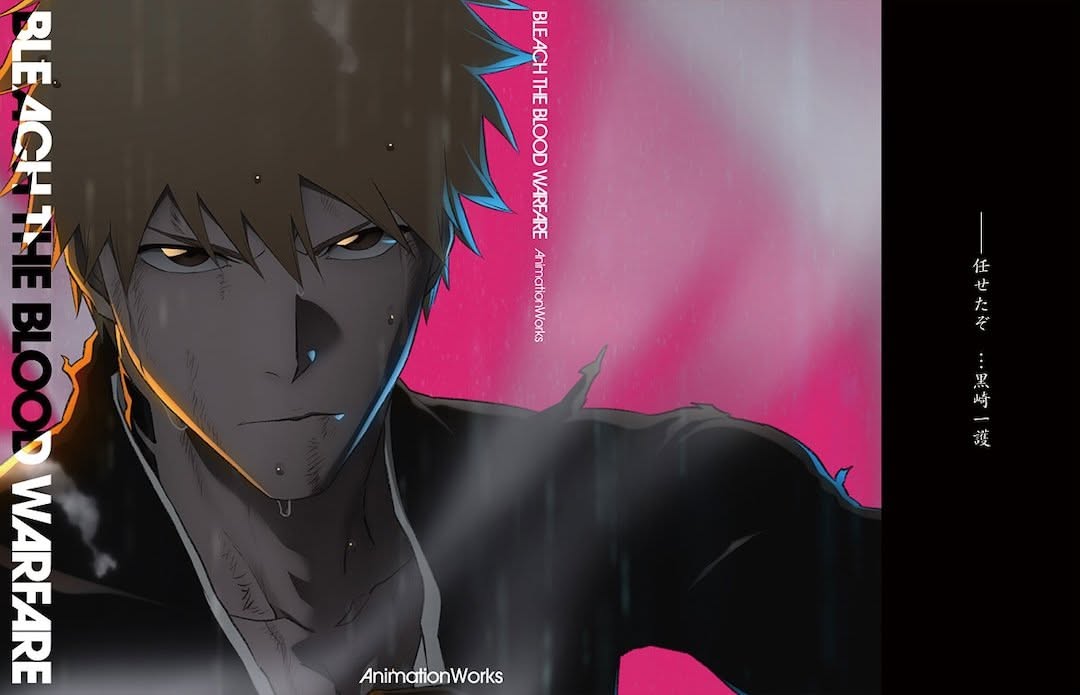
When the first frame of Pierrot Films’ latest battle sequence exploded onto screens, shonen fandom collectively stopped breathing. Ichigo Kurosaki has walked through fire, hollowfication, and despair for over two decades, but what is unfolding in Bleach: Thousand-Year Blood War – The Conflict goes beyond anything manga creator Tite Kubo originally laid onto paper. The sheer kinetic ferocity, unhinged atmospheric dread, and cinematic grandeur make one thing undeniably clear: the climax of Bleach is not just an adaptation—it is a monumental restoration of an anime legend.
For years, manga purists worried that the chaotic final acts of the Thousand-Year Blood War arc would falter under the weight of rushed pacing. Yet, under the visionary supervision of director Tomohisa Taguchi and chief animation director Cindy H. Yamauchi, Pierrot Films has completely shattered expectations by expanding battle choreography, rewriting critical dialogue, and giving every clash the breathless prestige it deserves.
The Royal Realm in Ruins: Yhwach’s Inevitable Transcendence
At the center of this cosmic storm stands Yhwach, the Father of the Quincy and Emperor of the Wandenreich. Armed with the terrifying, fate-altering power of The Almighty, Yhwach doesn’t merely defeat opponents—he erases their future victories before they can even materialize. Watching his confrontation with the Soul Society’s elite transforms the narrative from a traditional swords-and-sorcery duel into a philosophical struggle against predestined doom.
Unlike previous seasons where power scaling often reduced battles to beam struggles, The Conflict embraces tactical brutality. The Royal Guard, led by Ichibe Hyosube, unleashes esoteric ink sorcery and ancient seals, proving why they were entrusted to protect the Soul King. But as Yhwach absorbs higher dimensions of spiritual energy, the sheer scale of catastrophe threatens the living world, the Soul Society, and Hueco Mundo simultaneously.
Ichigo Kurosaki’s True Awakening: Beyond Shinigami and Hollow
Meanwhile, the true revelation of this war belongs to Ichigo Kurosaki. Wielding his dual Zanpakuto—representing both his Quincy lineage via Old Man Zangetsu and his primal Hollow heritage through White—Ichigo has evolved into a fully realized hybrid warrior. The visual spectacle of his Horn of Salvation form, blending golden Quincy reishi with jet-black Getsuga Jujisho slashes, showcases the creative pinnacle of Pierrot Films’ digital compositing.
For anime fans who have followed other modern dark-fantasy juggernauts like Chainsaw Man: Reze Arc and Re:Zero Season 3, the intensity found in Bleach’s battle for the Soul King Palace matches the most ferocious set pieces in modern anime history.
Uncut Canon: Tite Kubo’s Ultimate Vision Realized
Perhaps the single greatest triumph of Thousand-Year Blood War is how deeply author Tite Kubo is involved in drafting brand-new scenes. Fleshing out crucial backstory that was cut due to health constraints during the original Weekly Shonen Jump serialization, every episode now delivers vital lore drops. From the eerie machinations of former Squad 5 Captain Sosuke Aizen bound in Muken to the mysterious past of the Soul King itself, each narrative thread weaves tighter toward an apocalyptic conclusion.
Even legendary Captains such as Shunsui Kyoraku and Kisuke Urahara find their ultimate lethal abilities tested to the brink, giving long-time fans the definitive, uncompromising experience they have waited over ten years to witness on screen.
What Do You Think?
Is Bleach: Thousand-Year Blood War – The Conflict cementing itself as the greatest modern shonen comeback of our generation? Do you think the anime’s expanded scenes and brand-new fights will elevate the ending beyond the original manga? Drop your thoughts, favorite Bankai reveals, and final battle predictions in the comments below!

One thought on “Bleach: Thousand-Year Blood War The Conflict Ignites: Why Ichigo Kurosaki and Yhwach’s Final Clash Will Redefine Shonen History”