

When the haunting melody of the shamisen echoed across the State of Play showcase, gaming fans worldwide braced for the inevitable return of Jin Sakai. Instead, Sucker Punch Productions delivered a stunning revelation that upended every single fan theory: Jin’s chapter is permanently closed, and an entirely fresh legend has awakened at the foot of Mount Yōtei.
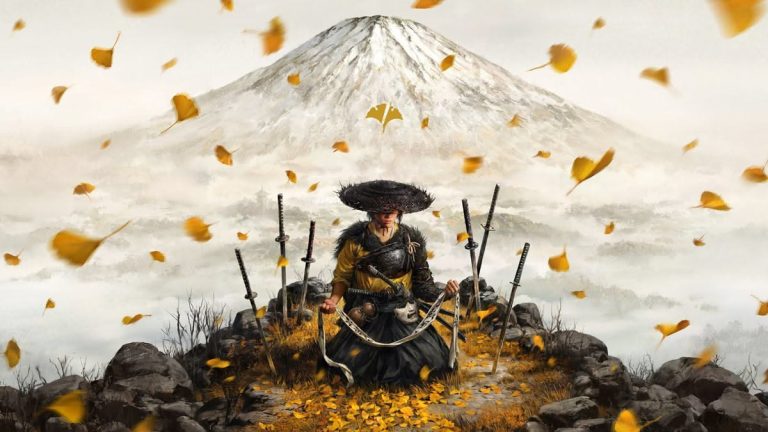
Set more than three centuries after the bloody Mongol invasion of Tsushima Island, Ghost of Yōtei thrusts players into the year 1603. This is not the tightly regimented feudal order of the Kamakura shogunate, but the untamed northern wilderness of Ezo—modern-day Hokkaido. Stepping into the shoes of a brand-new wandering ronin named Atsu, players are set to witness a revolution in open-world storytelling, brutal sword combat, and atmospheric exploration.
A Dramatic Leap Across Eras: 1603 in the Northern Frontier
The sheer temporal leap from 1274 to 1603 represents one of the boldest narrative gambles in PlayStation history. By moving the timeline forward by over three hundred years, creative directors Nate Fox and Jason Connell have broken free from the geopolitical constraints of the Tsushima conflicts. The year 1603 marks the dawn of the historic Edo period under Tokugawa Ieyasu, a pivotal turning point when Japan transitioned from brutal civil wars into an era of centralized authority.
However, Ezo was completely detached from Tokugawa’s direct iron grip. In the early 17th century, Mount Yōtei was encircled by dense primeval forests, active volcanic tundras, and lawless outlaws far beyond the reach of organized samurai clans. Unlike Jin Sakai, who began his quest bound by samurai honor and noble code, Atsu navigates a chaotic wilderness where survival dictates every decision. This raw lawlessness sets an electric backdrop for vengeance, redemption, and personal myths.
Meet Atsu: Voiced by Erika Ishii and Redefining the Ghost
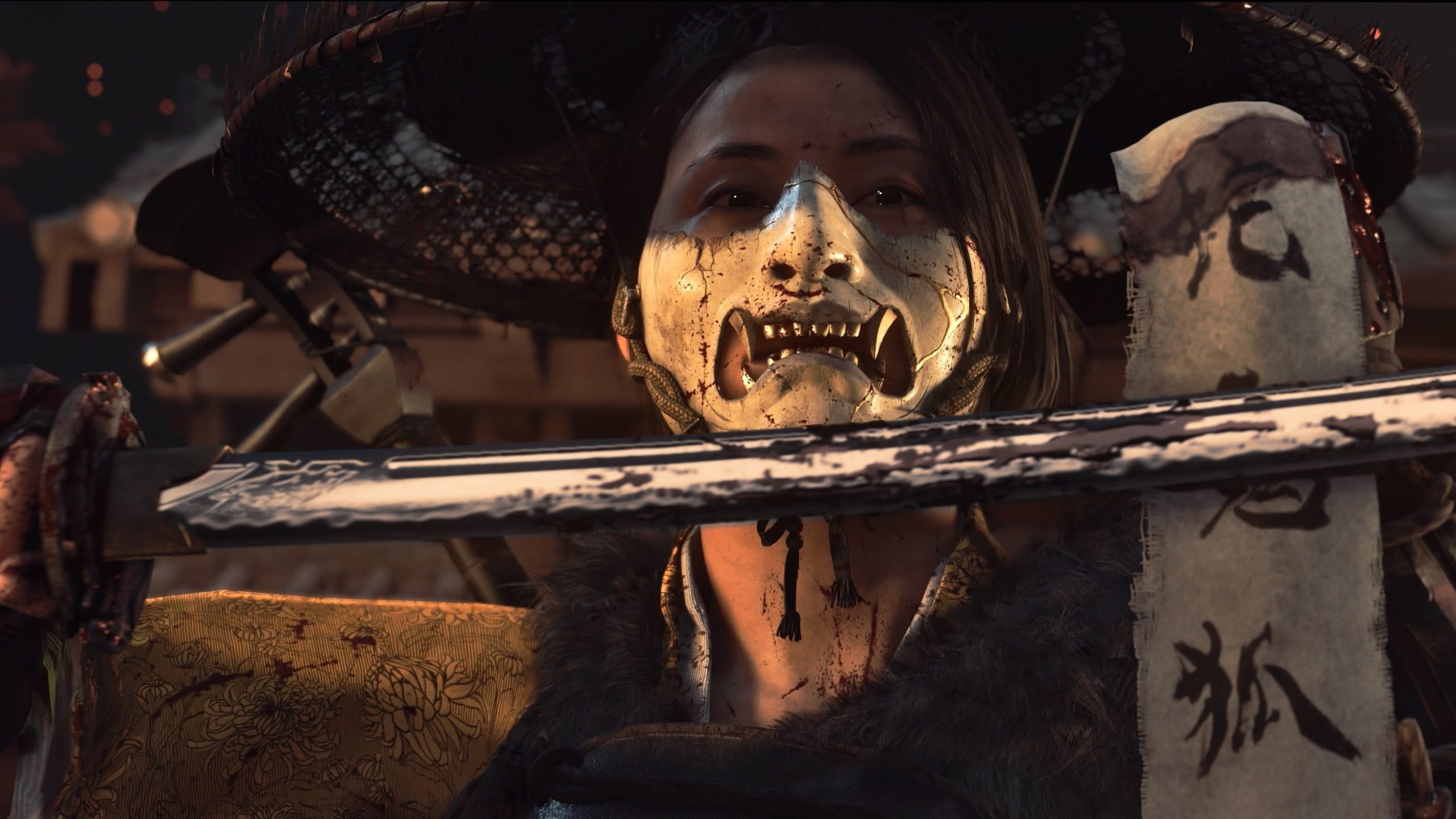
Taking center stage as the new protagonist is Atsu, brought to life through full motion capture and voice acting by acclaimed performer Erika Ishii. While Sucker Punch has kept Atsu’s personal motivations closely guarded, early previews and trailer breakdowns suggest she is an underdog fueled by personal loss and hunted by rival factions across northern Japan.
Atsu’s fighting doctrine represents a massive departure from the classical stances honed by Jin Sakai. Carrying dual katanas on her back alongside a traditional shamisen, Atsu embraces dynamic weaponry that reflects early modern warfare in Japan. The introduction of the kusarigama (chain-sickle) and primitive matchlock firearms completely revolutionizes the lethal cat-and-mouse engagements fans fell in love with in the original title. Whether players are parrying bandit blades in wildflower meadows or assassinating warlords in frozen ravines, Atsu’s combat flow promises to be faster, deadlier, and visually breathtaking.
Visual Grandeur Engineered Exclusively for PlayStation 5
While Ghost of Tsushima famously pushed the hardware boundaries of the PlayStation 4 to their absolute limits, Ghost of Yōtei has been built from the ground up natively for PlayStation 5 and PS5 Pro. Nate Fox emphasized that creating exclusively for next-generation silicon allowed the development team to craft massive vistas that stretch across the entirety of Ezo.
Players will gaze across vast fields of swaying red spider lilies, observe individual snowflakes settling on leather armor during blizzard encounters, and witness real-time northern lights illuminating volcanic craters at midnight. The team at Sucker Punch has also refined their iconic guiding wind mechanic, creating subtle environmental cues—from soaring red-crowned cranes to shifting mountain fog—that seamlessly immerse players without cluttering the screen with artificial UI markers.
Building on PlayStation’s Golden Roster of Narrative Masterpieces
The announcement of Ghost of Yōtei signals an exhilarating new era for cinematic action-adventure games on PlayStation. For players who have been craving deep narrative worlds like Death Stranding 2: On the Beach and high-octane Japanese action epics such as Like a Dragon: Pirate Yakuza in Hawaii, Sucker Punch’s return to feudal Japan feels like the ultimate culmination of art, culture, and gaming innovation.
Furthermore, treating the “Ghost” moniker as an enduring anthology rather than a single character’s lifelong chronicle allows Sucker Punch to explore diverse historical landscapes across Japan’s multifaceted history. By establishing Atsu as the newest bearer of the Ghost mask, PlayStation proves that legendary franchises can continually reinvent themselves while honoring their atmospheric core.
What Do You Think?
Are you excited to step into the untamed wilderness of 1603 Ezo as Atsu, or were you holding out hope for another chapter featuring Jin Sakai? How do you feel about the addition of dual katanas and matchlock firearms to the classic samurai combat formula? Drop your thoughts, theories, and weapon wishlists in the comments below!