



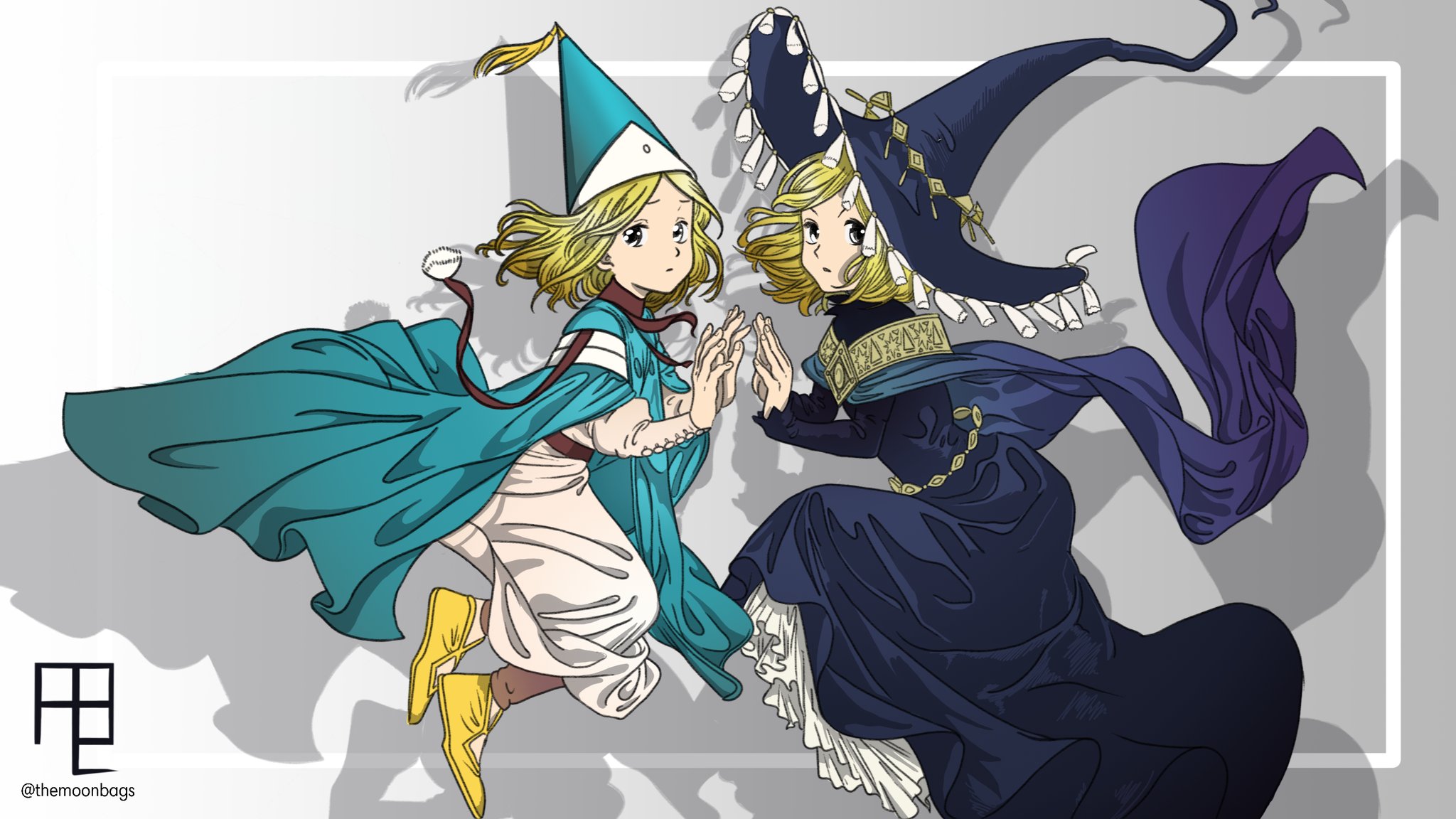
What happens when the purest, most enchanting magic in modern manga finally receives the breathless visual adaptation it deserves? The global anime community exploded with pure exhilaration when the long-awaited official trailer for Witch Hat Atelier (Tongari Boushi no Atelier) swept across social media feeds. Far from standard high-fantasy fare saturated with game mechanics and predictable power escalation, this breathtaking production promises to restore a genuine sense of childlike awe, intricate artistic wonder, and deep philosophical tragedy to fantasy animation.
The Visionary Craft of Kamome Shirahama Meets Ayumu Watanabe
Ever since mangaka Kamome Shirahama began serializing the acclaimed series in Kodansha’s Monthly Morning Two, readers have been spellbound by its classical European storybook aesthetics, evocative penmanship, and astonishingly meticulous ink craftsmanship. Adapting such detailed, hand-drawn majesty seemed like an impossible challenge for modern television schedules. However, helming this ambitious endeavor is none other than visionary director Ayumu Watanabe, celebrated worldwide for his delicate touch on masterpieces like Children of the Sea, Summer Time Rendering, and Komi Can’t Communicate.
Under Watanabe’s meticulous guidance at studio BUG FILMS—the powerhouse creative studio behind Zom 100: Bucket List of the Dead—the new footage reveals sweeping panoramic vistas, fluid spell-casting animations, and an unmistakable respect for Shirahama’s vintage woodcut art style. Complementing this stunning visual canvas is a sweeping, evocative musical score composed by Yuka Kitamura, the legendary maestro whose haunting orchestration shaped the emotional landscapes of Elden Ring and Dark Souls III. Her ethereal melodies imbue the animated world with a quiet, celestial grandeur rarely experienced in seasonal anime.
A Secret That Shatters Destiny: Coco and the Law of Magic
At the beating heart of Witch Hat Atelier is Coco, an imaginative, kind-hearted village girl who has spent her entire life yearning to cast spells. In this enchanting yet unforgiving world, society is strictly divided: true witches are believed to be born with divine arcane talents, while ordinary humans without magical blood are strictly forbidden from knowing its secrets. Coco contents herself with helping her mother in their humble dressmaking shop, gazing wide-eyed at itinerant spellcasters who pass through their quiet town.
Everything changes when the enigmatic master sorcerer Qifrey visits her village. Concealing herself, Coco accidentally witnesses Qifrey preparing a spell—and uncovers the forbidden reality that the magical hierarchy has concealed for centuries: magic is not an innate genetic blessing, but a craft drawn with ink and meticulous geometric runes. Anyone who possesses the right tools, knowledge, and patience can reshape reality itself.
Tragically, Coco’s joyous realization swiftly turns into a nightmare. Attempting to recreate drawings from a mysterious picture book gifted to her by a masked stranger during childhood, Coco inadvertently activates a catastrophic petrification spell, transforming her beloved mother into cold, unyielding stone. Rescued from the crumbling ruins of her home by Qifrey, Coco is taken into his secluded workshop as an apprentice. Her journey is not fueled by ambition or pride, but by a desperate, heartbreaking quest to master the forbidden inkcraft and restore her mother’s life.
Inside Qifrey’s Atelier: Rivalry, Camaraderie, and the Brimmed Caps
Inside the cozy yet mysterious atelier, Coco must adapt to life alongside three distinct, highly skilled fellow apprentices, each carrying their own burdens and perspectives on the craft:
- Agott: A fiercely talented, proud student hailing from a noble magical lineage. Initially resentful of Coco’s sudden entrance, Agott views magic as a sacred discipline earned through relentless perfectionism, sparking a tense yet deeply motivating rivalry.
- Tetia: An upbeat, radiant optimist who loves using magic to bring smiles to ordinary folk, dreaming of fashioning everyday wonders that brighten people’s daily lives.
- Richeh: A quiet, introspective prodigy who stubbornly resists traditional magical curricula, insisting on only drawing spells that feel authentic to her personal artistic principles.
Yet beyond their warm training sessions lurks the sinister shadow of the Brimmed Caps (Forbidden Witches)—a clandestine cabal that seeks to liberate magic from all ethical constraints, even if it leads to horrifying anatomical mutations and catastrophic societal collapse. As dark conspiracies converge around Coco’s latent talent, Qifrey’s hidden past and questionable motives begin to blur the line between salvation and peril.
For fans who admire captivating storytelling and meticulous world-building, this remarkable era of animation continues to deliver true masterpieces. Just as seen in our recent analyses of other monumental cinematic adaptations like Chainsaw Man The Movie: Reze Arc’s emotional spectacle and Demon Slayer Infinity Castle’s record-shattering animation, audiences worldwide are craving narratives that treat their source material with supreme reverence and artistic ambition.
Why Witch Hat Atelier Is Set to Break the Internet
In an industry often crowded with instant-gratification power fantasies, Witch Hat Atelier represents an invigorating breath of fresh air. It treats magic not as a military arsenal, but as an intricate, tactile art form akin to calligraphy, painting, and architectural drafting. Every single glyph matters; a misplaced dot or crooked line can alter an entire enchantment, demanding contemplation, discipline, and emotional vulnerability from its practitioners.
With BUG FILMS pouring world-class production values into every frame, Ayumu Watanabe at the helm, and Yuka Kitamura’s monumental score sweeping through each scenic vista, Witch Hat Atelier is poised to become one of the most celebrated and culturally resonant anime adaptations of the decade.
What Do You Think?
Are you ready to step into Qifrey’s workshop when the anime officially premieres? Which aspect of the trailer amazed you the most—Kamome Shirahama’s gorgeous art brought to life, or Yuka Kitamura’s spellbinding musical score? Share your favorite characters, expectations, and theories in the comments below!



2 thoughts on “Witch Hat Atelier Anime Trailer Unleashed: Why Kamome Shirahama and BUG FILMS’ Masterpiece Will Redefine Fantasy Anime”