



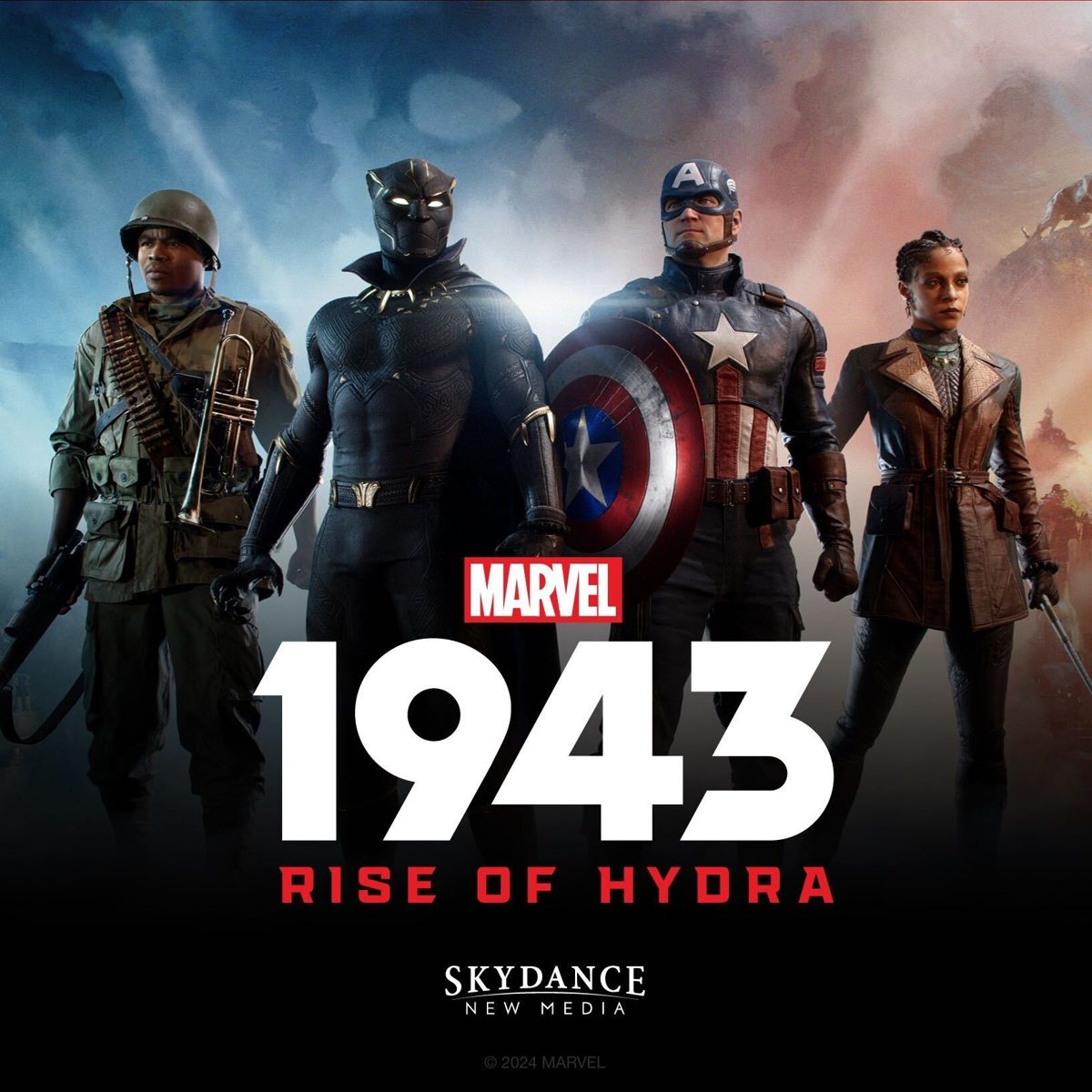
What happens when the visionary narrative architect behind the iconic Uncharted trilogy steps into the Marvel Universe during the darkest crucible of human history? The entire gaming landscape grinds to a halt to pay undivided attention. When Skydance New Media and industry pioneer Amy Hennig pulled back the curtain on Marvel 1943: Rise of Hydra, gamers expected a stylish period piece. Instead, they were greeted by a breathtaking cinematic tour de force that obliterates the boundary between AAA interactive gaming and Hollywood film production.
Set across the rain-slicked cobblestone boulevards of occupied Paris and hidden resistance hideouts during the height of World War II, this narrative-driven action-adventure pits two titanic mythologies against each other before they can unite against a common shadow. Between the earth-shattering power of Unreal Engine 5.4 and a clash of ideological champions, here is why Marvel 1943: Rise of Hydra is rapidly emerging as gaming’s next defining historical blockbuster.
An Explosive Wartime Collision: Steve Rogers Meets Azzuri of Wakanda
At the beating heart of Marvel 1943: Rise of Hydra lies a gripping character study powered by high-stakes tension. Players take command of four distinct playable protagonists, led by a youthful, determined Steve Rogers—voiced and motion-captured with fierce authenticity by Drew Moerlein—early in his journey as Captain America before he became a modern legend. Opposite him stands King Azzuri, the World War II-era Black Panther and grandfather of T’Challa, portrayed with regal ferocity by Khary Payton.
Unlike conventional superhero crossovers that rush into easy alliances, the dynamic between Steve Rogers and Azzuri is forged through friction, suspicion, and conflicting military philosophies. Rogers represents the battle-tested grit of Allied frontline warfare, carrying the star-spangled shield with raw determination. In sharp contrast, King Azzuri moves with predatory grace, defending Wakanda’s isolationist sovereignty while hunting threats on European soil. Watching these two icons trade crushing blows on Parisian rooftops, their vibranium weapons colliding with sparks that illuminate the nocturnal skyline, delivers the kind of visceral spectacle fans have dreamed about for decades.
The Supporting Heroes: Gabriel Jones and Nanali in Occupied Paris
The narrative brilliance orchestrated by Amy Hennig and writer Marc Bernardin shines equally through the game’s non-superpowered leads. The ensemble is anchored by Gabriel Jones, a courageous member of the legendary Howling Commandos portrayed by Armando Riesco, and Nanali, a brilliant Wakandan spy embedded deep within the Parisian underground played by Megalyn Echikunwoke.
These two grounded operatives provide an invaluable tactical perspective to the clandestine war against Hydra. While Captain America and Black Panther shatter front gates with overwhelming force, Gabriel and Nanali navigate covert reconnaissance, espionage, and partisan resistance networks. This dual pacing ensures that every bombastic skirmish is balanced by nail-biting stealth sequences and moral ambiguity, capturing the shadowy atmosphere of 1940s occupied territory.
Pushing Unreal Engine 5 to Its Absolute Limits: MetaHuman and Nanite Brilliance
Visually, Marvel 1943: Rise of Hydra represents a generational leap forward. Powered by Epic Games’ cutting-edge Unreal Engine 5.4 alongside revolutionary MetaHuman animator pipelines, the character models exhibit micro-expressions, subtle muscle twitches, and hyper-realistic fabric dynamics that look completely photorealistic in real-time engine rendering. The intricate weave of Rogers’ leather combat harness, the textured Wakandan weave on Azzuri’s habit, and the volumetric Parisian fog rolling off the Seine River create an atmospheric tapestry rarely achieved in contemporary gaming.
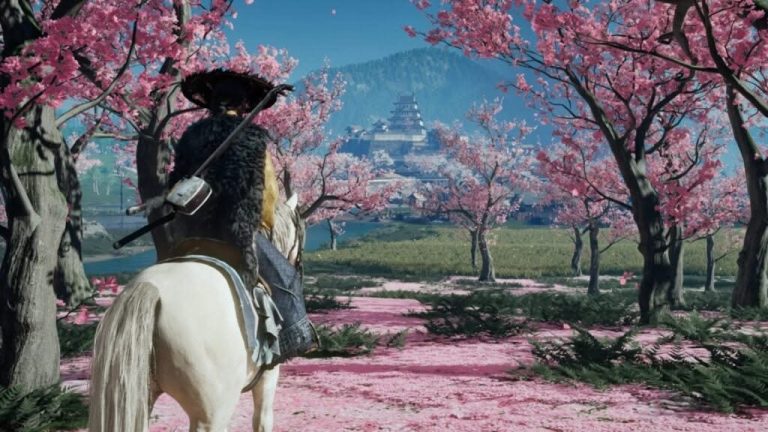
Much like other modern technical marvels redefining player expectations—from the immersive high-fantasy design analyzed in our Metaphor: ReFantazio review to the haunting historical landscapes explored in Ghost of Yōtei’s feudal adventure—Skydance New Media is leveraging next-generation hardware to forge deep cinematic immersion. Combined with an original orchestral score from Grammy-winning composer Stephen Barton (famed for Star Wars Jedi: Survivor), every sequence carries sweeping emotional gravitas.
Visceral Combat Meets Cinematic Precision
Mechanically, Skydance New Media marries the fluid traversal and puzzle-solving mastery of classic adventure titles with bone-crunching tactical combat. Rogers relies on boxing fundamentals, brutal shield ricochets, and improvised environment interactions, turning every alley brawl into a desperate fight for survival. Azzuri, meanwhile, employs feline agility, wall runs, silent takedowns, and kinetic shock strikes to dismantle Hydra battalions before they can sound an alarm.
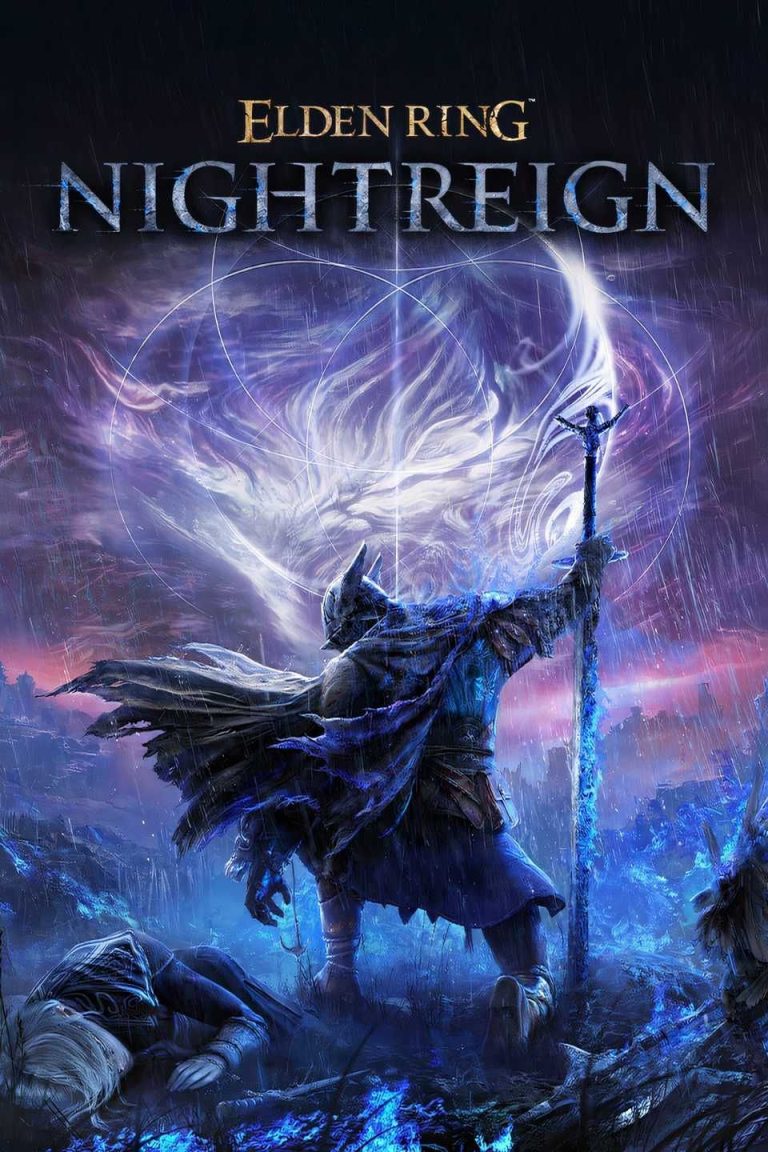
The presence of Hydra’s sinister occult experiments adds an eerie undercurrent to the warfare, escalating from standard Nazi soldiers to grotesque experimental monstrosities. Much like the intense, pulse-pounding cooperative encounters explored in Elden Ring Nightreign’s bold gameplay, Marvel 1943 challenges players to adapt on the fly as tactical situations spiral out of control.
What Do You Think?
Are you hyped to experience the historic showdown between Steve Rogers and Azzuri across the war-torn rooftops of occupied Paris? Can Amy Hennig deliver another genre-defining narrative masterpiece for Marvel? Drop your thoughts, combat expectations, and theories in the comments below!




One thought on “Marvel 1943: Rise of Hydra Unleashes Jaw-Dropping Gameplay — Why Amy Hennig’s World War II Epic Is Gaming’s Next Revolutionary Masterpiece”