

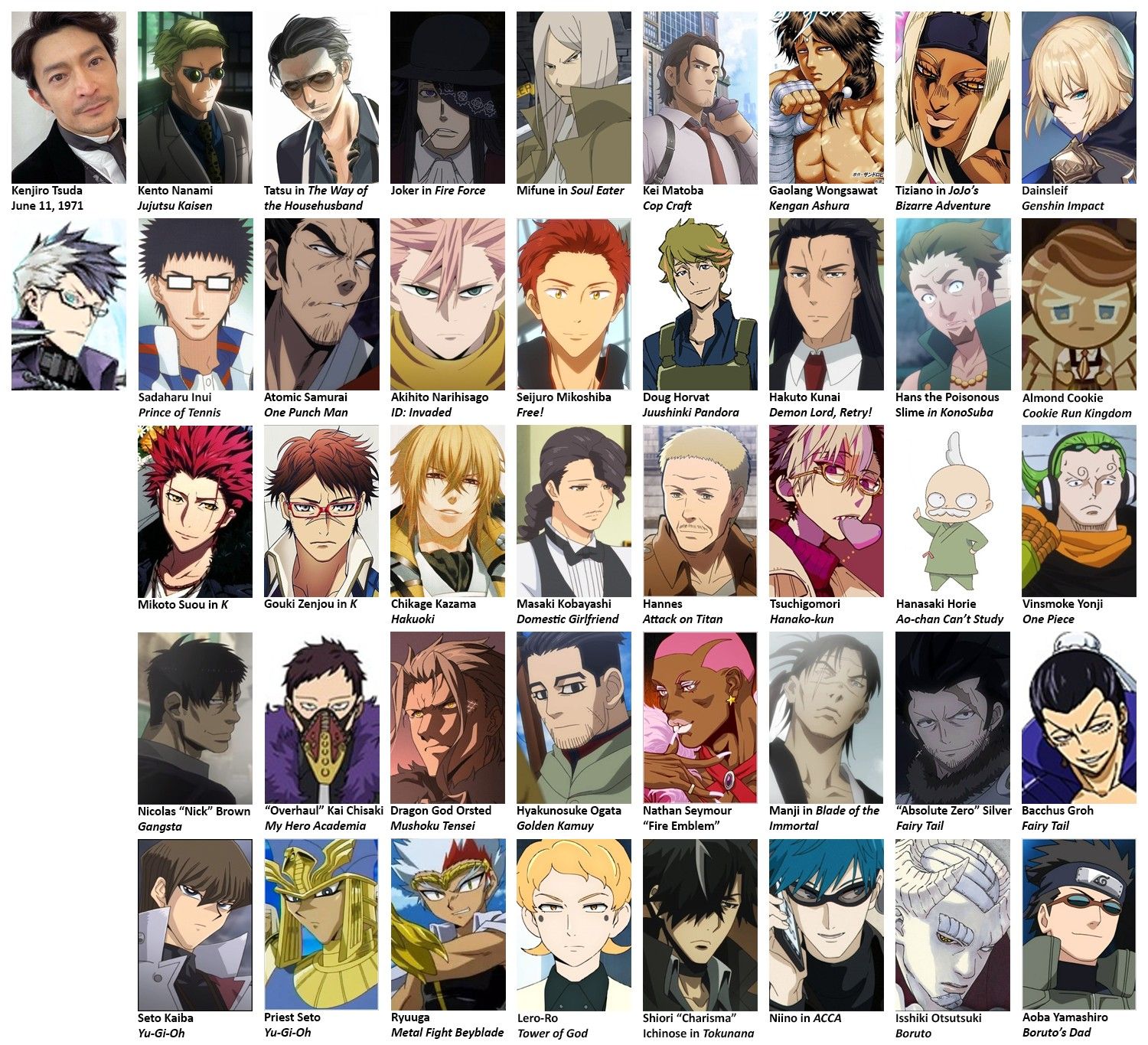
The voice behind Jujutsu Kaisen’s beloved Kento Nanami has just made history. On September 30, 2026, the Tokyo District Court ruled that the human voice deserves legal protection under Japan’s publicity rights — and it all started because someone cloned Kenjiro Tsuda’s iconic baritone with AI and used it to rack up hundreds of thousands of TikTok followers.
If you think this is just another celebrity lawsuit, think again. This ruling could reshape how every voice actor, singer, and performer in Japan — and eventually the world — fights back against AI cloning. And the anime industry is watching very, very closely.
What Actually Happened: 188 Videos, One Stolen Voice
Between July 2024 and September 2025, an anonymous TikTok account uploaded 188 videos narrated by a “deep” and “lustrous” voice covering urban legends, occult phenomena, and conspiracy theories. The account’s profile picture? A character that looked suspiciously like Nanami from Jujutsu Kaisen — the very role that made Tsuda a household name among anime fans worldwide.
The account blew up fast, amassing over 200,000 subscribers. According to court documents, the anonymous creator was pulling in between 75,000 and 500,000 yen (roughly $500 to $3,200 USD) in monthly revenue. All of it built on a voice that wasn’t theirs.
Tsuda, 55, filed suit in November 2025, arguing that the AI had cloned his distinctive vocal identity — a voice he’d spent decades perfecting through rigorous voice acting training and apprenticeship.
TikTok’s Defense: “It’s Just a Generic Male Voice”
TikTok’s response was bold, to say the least. The platform argued that the AI-generated narration was simply a “generic male voice” and that any perceived similarity to Tsuda was “highly subjective.” They even questioned Tsuda’s “national fame,” claiming the platform was merely hosting “a forum where users could post creative and ingenious content within the scope of free speech.”
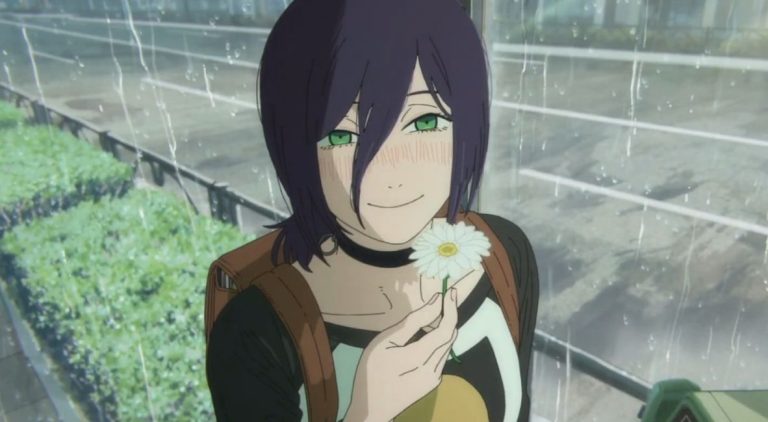
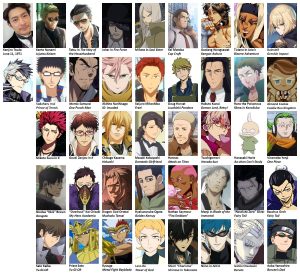
For anime fans who’ve heard Tsuda’s unmistakable baritone in Jujutsu Kaisen, Chainsaw Man (as Kishibe), Yu-Gi-Oh!, and dozens of other iconic roles, that argument probably feels laughable. The man’s voice is one of the most recognizable in the entire industry.
The Ruling That Changed Everything
Presiding Judge Aya Takahashi sided with Tsuda on the core issue, declaring that “the unauthorised use of a performer’s voice can be considered an infringement on publicity rights.” The court described a person’s voice as being “as symbolic of one’s personality as portraits are.”
However, the court technically dismissed Tsuda’s removal request — but only because the anonymous user had already deleted the videos shortly after the suit was filed. The legal precedent, though? That’s what matters. For the first time in Japanese legal history, a court has officially ruled that AI voice cloning can violate a performer’s rights.
Why the Anime Industry Is Terrified — And Hopeful
Japan’s voice acting community has been sounding the alarm about AI for years. Yuko Sasaki, executive director of the Japan Actors Union and a voice actor herself, told reporters that an actor’s voice “is the result of years of rigorous training and apprenticeship” and that the union “supports Tsuda wholeheartedly.”
Fellow voice actor Bin Shimada, who is part of the “No More” campaign launched in 2024 against unauthorized AI mimicry, warned that the industry could be “crushed” if AI voice cloning goes unchecked. “Younger actors could lose hope,” Shimada said.
The stakes are enormous. Japan’s voice acting industry is a cultural powerhouse — voice actors like Tsuda, Megumi Hayashibara, and Nana Mizuki achieve celebrity status that rivals live-action stars. When someone can clone their voice with a few clicks, it threatens the entire economic and artistic foundation of the industry.
A Global Ripple Effect
This isn’t just a Japanese issue. Remember when OpenAI had to apologize to Scarlett Johansson in 2024 over a synthetic voice that sounded remarkably like her? The International Federation of Actors warned last year that “in many countries, copyright and data protection laws are not being adequately adapted” to protect performers from AI clones.
Japan’s Ministry of Justice published non-binding guidelines just last month clarifying that voice is protected under existing publicity and portrait rights. With this court ruling now backing up those guidelines, Japan is positioning itself as a global leader in protecting performers from AI exploitation.
What Comes Next
TikTok issued a measured statement saying it would “respect the court’s judgment while considering what steps to take” and pledging to “continue to sincerely work on the balance between technology development and rights protection.”
Legal experts like Professor Tatsuhiro Ueno of Waseda University predict this ruling will have far-reaching implications. The precedent is now set: in Japan, your voice is legally yours, and AI can’t just take it.
For anime fans, this means the voices you love — Tsuda’s commanding Nanami, his menacing Kishibe, his legendary performances across decades of anime — will remain in the hands of the artist who created them. Not in the servers of some anonymous TikTok account trying to make a quick buck.
What Do You Think?
Should other countries follow Japan’s lead and explicitly protect vocal identity from AI cloning? Is this ruling strong enough, or does the anime industry need even more protection? And what about the smaller voice actors who can’t afford to sue? Drop your thoughts below — this conversation is just getting started.