


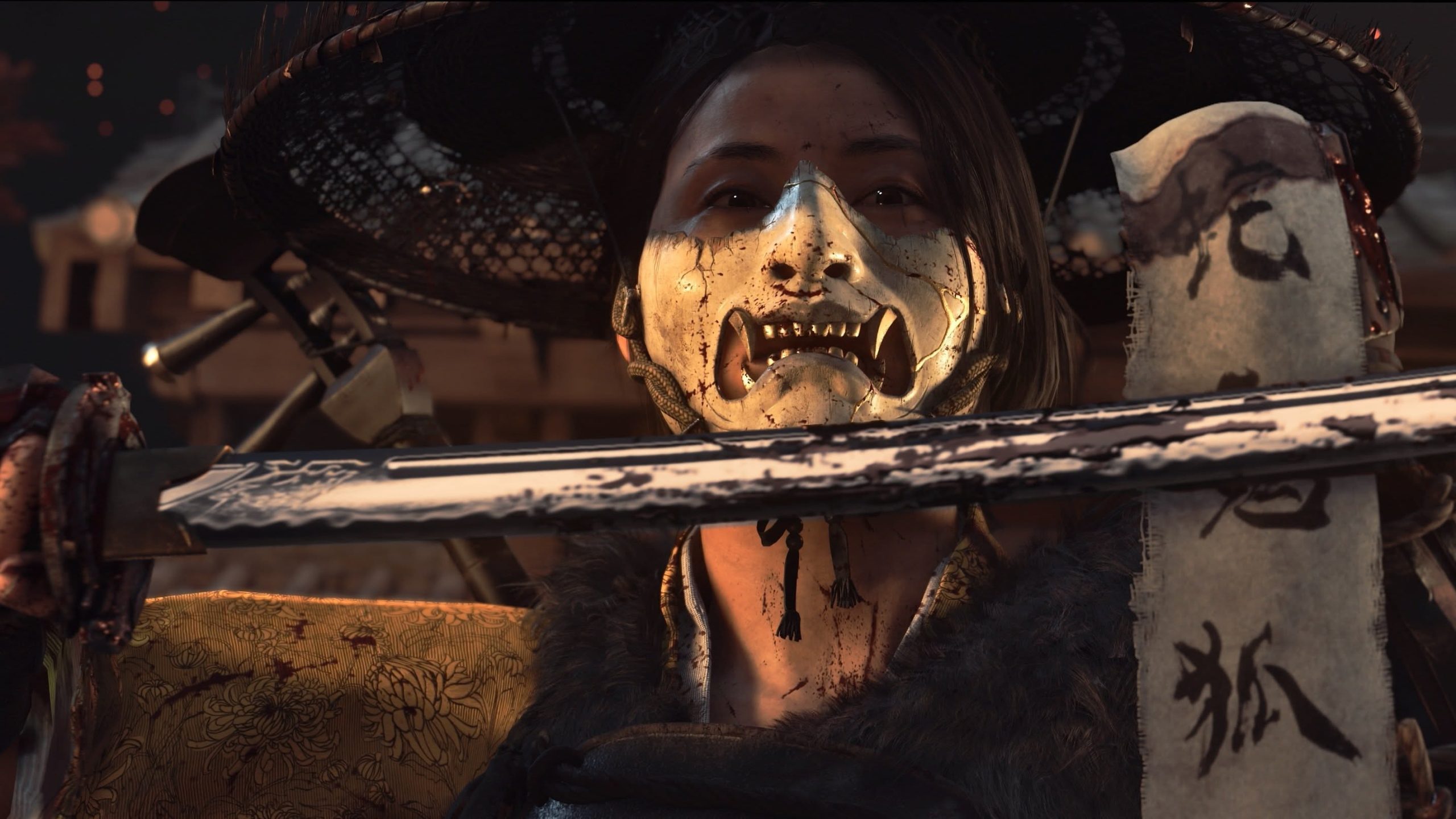
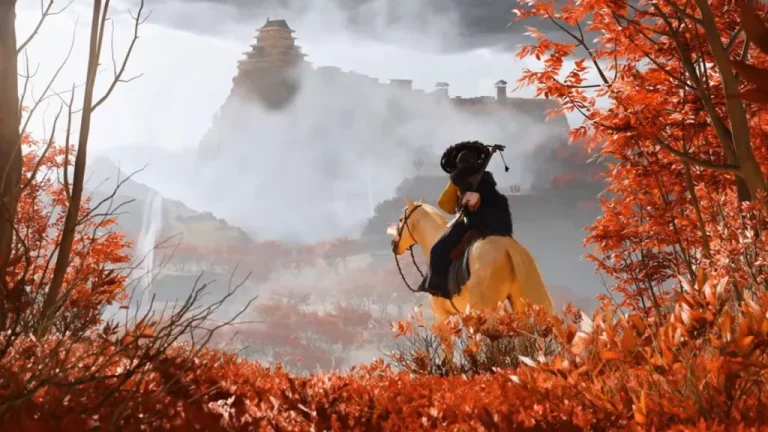
When the chilling wind howls across the untamed wilderness of Mount Yōtei in 1603, it carries the scent of blood, cedar smoke, and a brand-new legend. For years, fans worshipped at the shrine of Jin Sakai, the fallen lord who traded samurai code for shadow warfare in Tsushima. But PlayStation and Sucker Punch Productions took a daring gamble that set the entire gaming community ablaze: stepping three centuries forward into Ezo, casting aside organized clan warfare, and introducing Atsu—a solitary, ruthless ronin whose blood-soaked journey promises to completely dismantle everything we thought we knew about feudal Japanese action epics.
Beyond Jin Sakai: Why Atsu’s 1603 Journey Breaks the Mold
The transition from 1274 Tsushima Island to 1603 Ezo (modern-day Hokkaido) is far more than just a fresh coat of paint. In historical Japan, 1603 marked the dawn of the Tokugawa Shogunate after the bloody battle of Sekigahara. Yet, far north around Mount Yōtei, imperial shogunate authority was virtually nonexistent. There were no grand samurai castles, no strict samurai codes governing martial conduct, and no safety nets for wanderers. In this raw frontier, law was dictated solely by the edge of cold steel.
Creative directors Nate Fox and Jason Connell revealed that Atsu is not an aristocratic samurai stripped of honor; she is an outsider, an underdog carrying a relentless personal vendetta across snowbound grasslands and volcanic peaks. Voiced and portrayed via motion capture by actress Erika Ishii, Atsu embodies ferocious unpredictability. Unlike Jin Sakai, whose combat revolved around four disciplined Katana stances and ancestral Sakai steel, Atsu introduces dual-wielding swords, devastating polearms, close-quarters kusarigama chains, and primitive early-modern firearms that radically shake up combat pacing.
Next-Gen PS5 Architecture and Visual Grandeur
Built from the ground up natively for PlayStation 5 hardware under the vision of PlayStation Studios boss Hermen Hulst, Ghost of Yōtei is not constrained by cross-generational compromises. Sucker Punch has harnessed hardware-accelerated volumetric wind simulations, dynamic snow accumulation, and real-time aurora borealis illumination dancing across night skies. Massive draw distances reveal towering volcanic ridges, shimmering alpine lakes, and dense bamboo groves where blades clash in razor-sharp 60 FPS fidelity.
Much like how FromSoftware redefined dark fantasy worldbuilding across modern platforms, Sucker Punch is crafting an open-world frontier that feels alive, dangerous, and organically reactive. Campfires leave drifting ash across the wind, predator wolves track your scent through blizzards, and roaming ronin gangs will ambush unsuspecting travelers along mountain passes.
Weapon Variety and Evolved Tactical Freedom
Ghost of Tsushima captivated millions with its balletic parry mechanics and visceral standoff duels. In Ghost of Yōtei, Sucker Punch doubles down on mechanical versatility. With Atsu operating outside samurai tradition, players can weave seamlessly between lethal ranged tactics and chaotic close-quarters melee:
- Dual Katana Bladework: Rapid multi-target combos designed to shred through heavily armored mercenaries and ronin enforcers.
- Odachi & Polearm Mastery: Sweeping heavy swings designed for crowd control and cracking enemy shields from safe reach.
- Tanegashima Matchlock Firearms: Thunderous, high-risk gunpowder weaponry that tears through rival bosses at the cost of lengthy reload animations.
- Guerrilla Traps and Tools: Smoke canisters, grappling mechanics, and improvised hunting snares engineered to thin out opposing factions before steel meets bone.
Just as Japanese developers dominated recent industry showcases—like the massive buzz surrounding the Persona 4 Revival announcements at Tokyo Game Show—Ghost of Yōtei represents the peak of modern cinematic action gaming coming out of Sony’s premier studios.
A Story of Blood, Freedom, and Rebirth
What truly elevates Ghost of Yōtei above typical revenge stories is the philosophical weight behind Atsu’s mask. Where Jin Sakai carried the unbearable guilt of betraying Uncle Shimura and defying samurai dogma for his people’s survival, Atsu begins with nothing to lose and everything to claim. Sucker Punch promises a richer, player-driven narrative where personal choices shape your reputational aura across the frontier factions of Ezo.
What Do You Think?
Can Atsu’s fierce frontier vengeance surpass Jin Sakai’s tragic legacy on Tsushima, or will purists miss the traditional samurai honor duel? What weapon style are you most excited to master when exploring Mount Yōtei? Drop your thoughts, combat theories, and wildest predictions in the comments below!


One thought on “Ghost of Yōtei: How Sucker Punch and Atsu’s Underdog Vendetta Will Redefine Open-World Samurai Action Forever”