


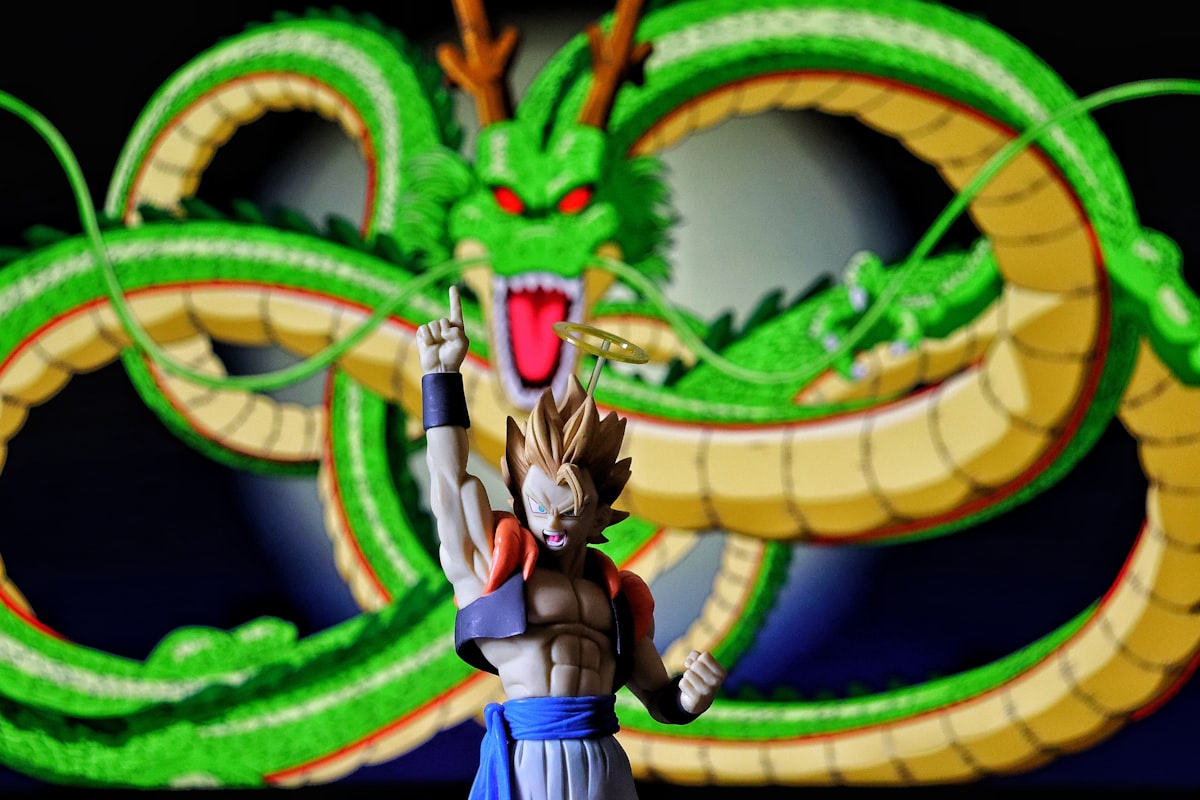
Imagine a full-blown Dragon Ball theme park sitting in the French countryside. Giant Shenron statues. Saiyan-themed roller coasters. Kame House cafes. Sounds like a dream, right? Well, it’s apparently real — and Toei Animation just dropped a bombshell that changes everything: they never licensed any of it.
On September 4, Toei Animation officially confirmed it has no license agreement with the operators of a Dragon Ball-themed attraction in France. Translation: the company behind the franchise is publicly distancing itself from a park that’s been marketed using Goku, Vegeta, and Shenron’s name and imagery. And anime Twitter has, predictably, lost its collective mind.
Wait — There’s Actually a Dragon Ball Theme Park in France?
That’s the part that has everyone spiraling. The park has reportedly been trumpeting its Dragon Ball theming hard — promotional materials, mascot-style appearances, and attractions built around the franchise’s iconography. Fans in Europe had already started planning road trips. Some outlets were treating it as the closest thing Europe has ever gotten to a dedicated Dragon Ball park, something that even Japan — where the franchise was born — doesn’t have.
Then Toei dropped the statement, and everything flipped. The company made it crystal clear: no license, no partnership, no approval. The implication is stark — the park has been trading on Dragon Ball’s massive popularity without the rights holder’s blessing, or at least without anything Toei is willing to acknowledge publicly.
Why This Story Is Exploding Right Now
Dragon Ball isn’t just an anime. It’s one of the highest-grossing media franchises on the planet, with merchandise, games, and movies generating billions. When a franchise that massive is connected to an unlicensed park, you get the perfect viral cocktail:
- Confusion: Fans genuinely can’t tell if the park is a shady knockoff or a heartbreakingly ambitious tribute.
- Outrage: Hardcore fans are furious that someone is profiting off Akira Toriyama’s legacy without permission.
- Sympathy: Other fans feel for the park operators, who built something huge and now face the legal hammer.
- Schadenfreude: Let’s be honest — a chunk of the internet is here purely for the drama.
The result? Everyone has an opinion, and nobody can agree. That’s engagement gold.
What Happens Next? Three Scenarios, Ranked
Right now the park’s future is a giant question mark. Here’s how this could play out:
Scenario 1: The Legal Wrecking Ball (Most Likely)
Toei publicly confirming a lack of license is basically a warning shot. The next step is usually a cease-and-desist, then a lawsuit, then a forced rebrand. We’ve seen this playbook before with unlicensed anime-themed bars, pop-up events, and fan conventions that got too big. Dragon Ball’s lawyers are among the most active in the industry — and they rarely lose. Expect the park to either strip its theming or close entirely if they push it.
Scenario 2: The Quiet Settlement
Sometimes these situations end with a backroom deal — the park pays licensing fees, Toei walks back its statement, and everyone pretends the awkward part never happened. This is the best-case scenario for park-goers who already bought tickets, but it usually only happens when the operators have deep pockets and the park is genuinely impressive enough to be worth formalizing.
Scenario 3: The Tribute Defense
Park operators might argue it’s a fan tribute rather than a commercial counterfeit — a legal gray area that anime rights holders absolutely hate, but that some courts have occasionally treated leniently in Europe. It’s a long shot, but in the era of fan-made everything, you never know. Either way, expect the discourse to be absolutely vicious.
The Bigger Picture: Anime IP Protection Is Getting Brutal
This news lands at a moment when anime studios are cracking down harder than ever on unlicensed ventures. From pop-up cafes to fan merch markets, 2026 has been a war zone for anything even tangentially profiting off anime IP. Toei’s statement isn’t just about this one park — it’s a message to every operator out there thinking they can build a business on someone else’s franchise.
At the same time, fans are increasingly torn. The anime industry grew partly because of grassroots fandom — tribute events, cosplay gatherings, and fan-made projects. Where’s the line between honoring a franchise and exploiting it? That’s the debate raging in every reply section right now.
What This Means for Dragon Ball Fans
Truthfully? A lot. If the park folds or rebrands, any fans who visited or planned to visit are left with a weird piece of anime history — a theme park that existed, briefly, without official recognition. If it survives, it becomes a bizarre landmark of fan stubbornness. Either way, this story is going to be told at every anime convention for years.
The timing is extra spicy because Dragon Ball is having a massive moment right now. The franchise is expanding across games and media — just look at how Dragon Ball Xenoverse 3 is adding new races and customization options for next-gen consoles. A high-profile legal mess involving the franchise’s biggest iconography is the last thing anyone expected to drop in the middle of all that momentum.
The Internet Has Already Chosen Sides
Scan the reactions and you’ll find three camps:
- The Lawyers-Were-Right Camp: You can’t build a park on someone else’s IP and expect a free pass. Toei has every right to protect Toriyama’s work.
- The Let-It-Ride Camp: This park is bringing joy to thousands of kids. Who cares if it’s licensed? Companies should be flattered.
- The Chaos Camp: I just want to see a court document with the words “Super Saiyan” in it. Please, Toei, make this happen.
Which camp are you in? It’s the kind of debate that splits friend groups — and honestly, that’s exactly why this story is eating the internet alive.
What We’re Watching For
Keep your eyes on three things over the coming weeks:
- The park’s social media: A sudden rebrand or a defiant statement tells you everything about their legal strategy.
- Toei’s next move: A lawsuit filing or a quiet retraction — both would be massive news.
- Fan pilgrimage content: If YouTubers start visiting the park to document it, this story goes from viral to cultural phenomenon.
And hey — if you’re into anime IP going places nobody expected, this is the same week the Yu-Gi-Oh! Egyptian God Cards became real artifacts at the Kazuki Takahashi exhibition. September 2026 is shaping up to be the month anime lawyers earned their paychecks.
So… Would You Still Visit?
Here’s the question that’s tearing the fandom apart right now: if the park stays open — unlicensed, defiant, and fully Dragon Ball-themed — would you visit it?
Would you buy a ticket to ride a Kamehameha-themed roller coaster knowing Toei officially said “this is not us”? Or would that kill the magic for you? Drop your take in the comments — because right now, the Dragon Ball community is more divided over this park than over any power-scaling debate in the franchise’s history.
Full disclosure: details on the park’s exact location and attractions are still emerging as this story develops. We’ll update this article as Toei, the park operators, or French authorities drop more information.


One thought on “Toei Just Confirmed It Has NO License for That French Dragon Ball Theme Park — So What the Hell Is It?”