


Japan’s Most-Streamed Summer Anime of 2026 Just Lit a Fire Under Every Fan Forum
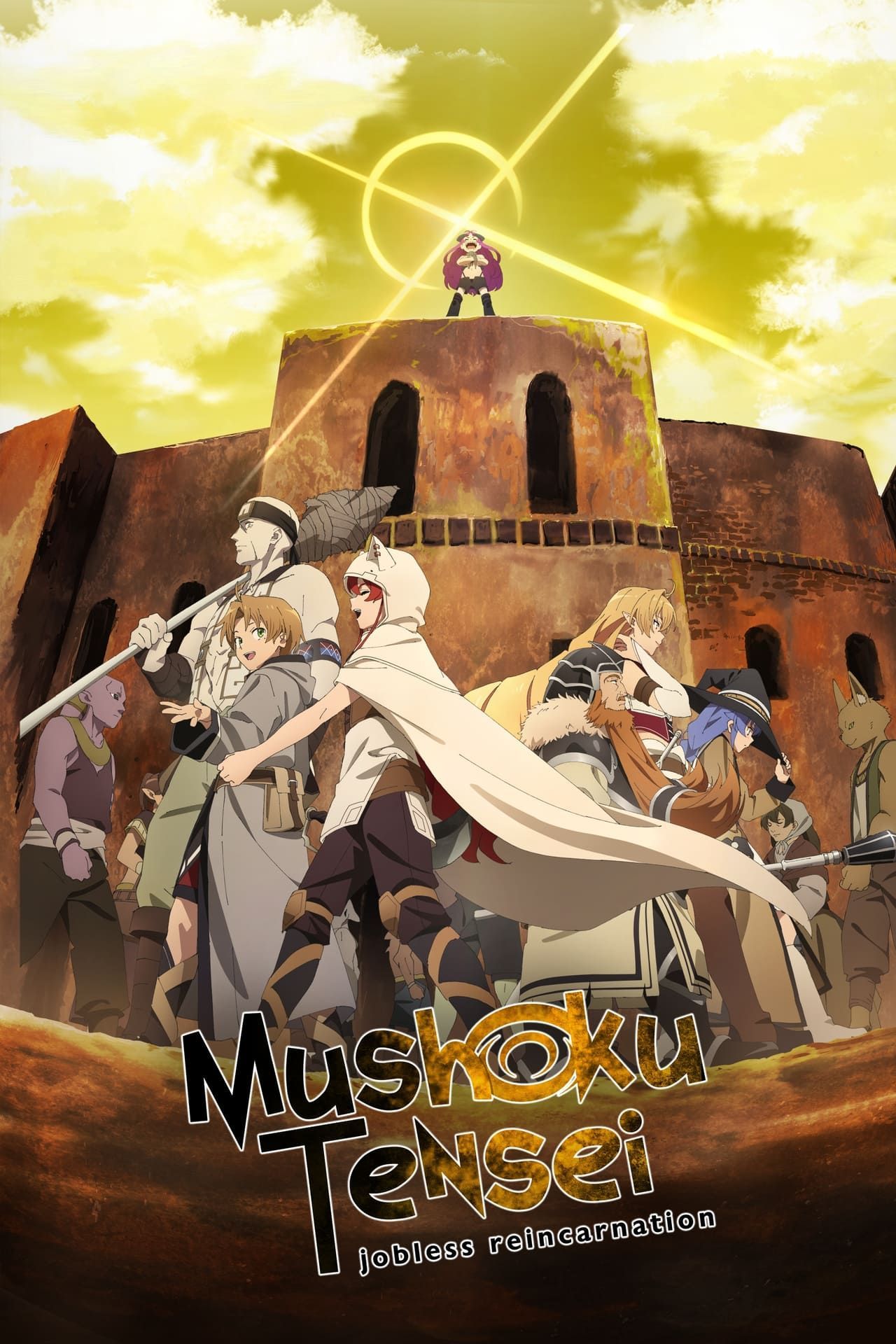
Mushoku Tensei: Jobless Reincarnation Season 3 has barely hit its stride, and already it’s become the single most-discussed anime of the entire season. In what Japanese streaming data officially confirmed as the #1 anime of Summer 2026, the series continues to shatter expectations — even as it fuels one of the longest-running contentions in modern anime fandom.
Rudeus Greyrat, the franchise’s protagonist, has climbed into the Top 10 on Anime Trending’s official character rankings for Week 4 of Summer 2026 — sitting at position No. 4 among male protagonists from all currently airing shows. That means he’s ranked ahead of nearly every other lead character in action, fantasy, romance, and comedy. And this isn’t just happening in isolation — millions of fans worldwide are actively debating whether his inclusion is justified.
The Controversy Nobody Can Ignore
To understand why Mushoku Tensei is simultaneously beloved and reviled, you have to look at Rudeus himself. He’s not your typical anime hero. At the start of the series, an unnamed 34-year-old Japanese NEET dies and is reincarnated into a fantasy world as a baby — Rudeus Greyrat. He retains all memories of his past life, which gives him advanced cognitive awareness far beyond his physical body. This is the premise that launched the entire isekai boom.
But here’s the friction point:
- Rudeus’s inner monologues often reveal thoughts and behaviors that make audiences deeply uncomfortable
- His young appearance masks a fully adult psyche, creating tension in every social interaction
- The series doesn’t shy away from consequences — but it also doesn’t always deliver them in ways modern viewers expect
Polygon, reviewing Episode 1 of Season 3, called it “the isekai I hate to love” — and admitted they’d include it in their top three fantasy anime of all time despite those reservations. That paradox is exactly what makes the franchise so magnetic. Fans can’t stop talking about it, can’t stop watching it, and can’t agree on whether that’s a good thing.
Why Season 3 Is Different
Season 3 opens with Eris — one of the show’s co-protagonists and Rudeus’s second cousin — reminding the audience that she and Rudeus had intimacy when they were both 15. From that moment, Season 3 signals that it’s no longer going to coddle anyone. According to Polygon’s coverage of Anime Expo’s Season 3 premiere, the episodes aren’t focused on Rudeus at all, instead following Eris embarking on her journey with her master Ghislaine, a beast-folk warrior whose character design alone has been endlessly dissected across every social platform.
The manga creator recently addressed the backlash head-on during Comic Book reporting, saying they’d “mostly ignore” the criticism. That non-answer did absolutely nothing to dampen the conversation — if anything, it amplified it further.
Fan Theories and Predictions: What Does It All Mean?
Here’s where things get really interesting for theorists and casual watchers alike. With Rudeus now sitting at No. 4 in overall character popularity despite being the subject of intense scrutiny, several fan theories have emerged about what’s really driving the series’ appeal:
- The Flawed Protagonist Revival: After years of generic isekai heroes with cheat skills and flawless personalities, Rudeus represents a radical shift — a genuinely flawed human who earns his development through painful mistakes and self-reflection. Some fans argue this is exactly what the genre needs more of.
- The Studio Bind Effect: Independent studio Studio Bind consistently delivers cinematic-quality animation, emotional storytelling, and deliberate pacing that lets scenes breathe. Many reviewers credit the production quality itself as doing half the work of winning over skeptical viewers.
- The Narrative Risk Factor: Unlike most anime, Mushoku Tensei refuses to sanitize its source material. The light novel by Rifujin na Magonote and illustrations by Shirotaka push boundaries, and the anime adaptation respects that choice. For some viewers, that’s bravery. For others, it’s unacceptable.
How It Compares Across Summer 2026’s Landscape
Summer 2026 was already stacked — Black Torch, Solo Leveling Season 3, Demon Slayer Infinity Castle Part 2, Jujutsu Kaisen, Dragon Ball Super returns, Steel Ball Run Fall 2026, and more. Yet Mushoku Tensei took the top spot. According to Japan’s official streaming rankings, it beat out heavy hitters including Frieren and established juggernauts that dominated previous seasons. Even Ghost in the Shell and Goodbye, Lara couldn’t dethrone it.
This isn’t an accident. Looking at our earlier Summer 2026 Top 10 Rankings article, we highlighted that Mushoku Tensei would dominate conversations. We weren’t wrong.
The Bigger Picture
What makes Mushoku Tensei Season 3 a cultural flashpoint goes beyond any single episode or character moment. It forces audiences to confront questions about anime, consent, artistic freedom, and evolving viewer expectations. Is a controversial character allowed to grow? Should creators protect audiences or challenge them? Can art be great even when it makes you squirm?
Studio Bind’s answer seems clear: yes, absolutely. They made the first season of Mushoku Tensei, then the second. Now in Season 3, they’ve produced what many critics are calling a masterpiece wrapped in controversy. The result? A franchise that won’t shut up about, dominates charts, and keeps fans arguing across every corner of the internet.
What Do You Think?
Is Mushoku Tensei Season 3 the best anime of 2026 — or the most overrated? Is Rudeus Greyrat actually one of the greatest flawed protagonists in anime history, or does the controversy overshadow everything else? Drop your hot takes in the comments below. This debate has only just begun.
Follow us on WibuX.com for ongoing Season 3 coverage, episode breakdowns, and the latest updates straight from Japan. Don’t forget to check our Black Torch analysis too — two different angles on the same dominant summer season.