


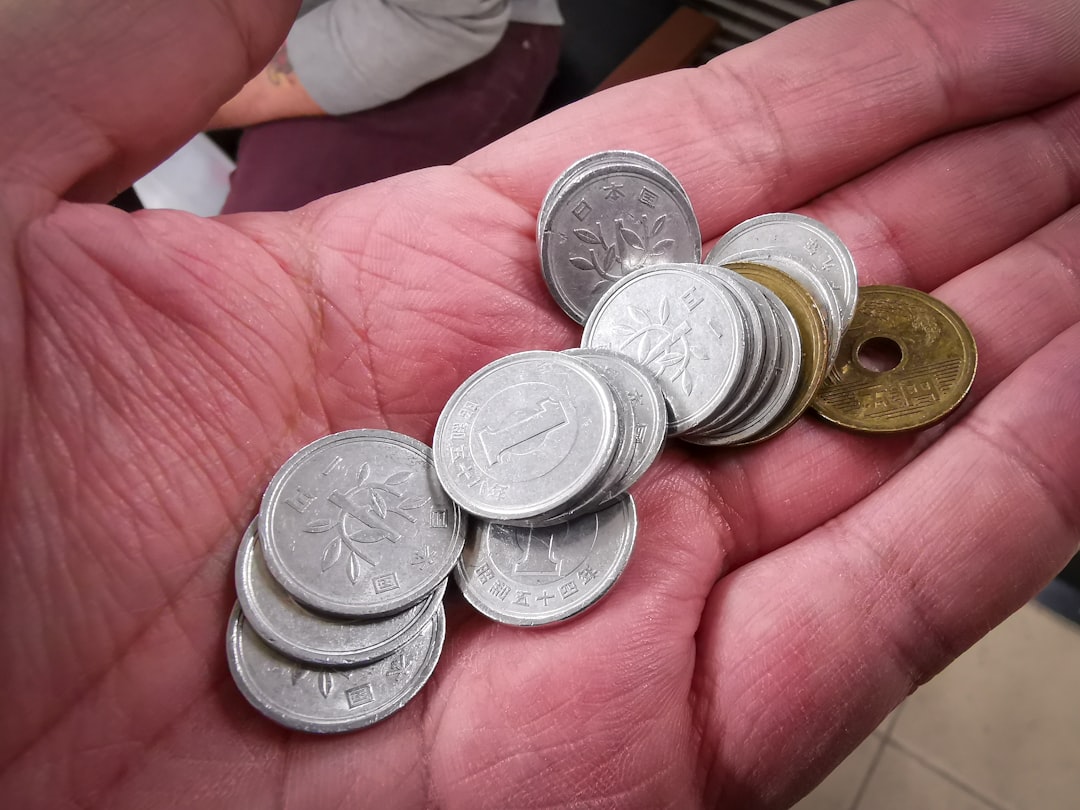
Imagine pulling a yen coin out of your pocket and seeing Goku staring back at you. Or finding a commemorative silver piece in your change jar with Naruto’s face stamped into it. That’s not a fever dream — it’s a very real possibility that the Japanese government is seriously exploring, and it could trigger the most unexpected collector frenzy in modern history.
According to a recent Kyodo News report, Japan’s Ministry of Finance is actively considering minting commemorative coins featuring popular anime and manga characters alongside national treasures. The move would require revising the country’s currency law, which currently restricts commemorative coin designs to imperial events, the Olympics, and other matters of national significance. If approved, this would mark the first time Japanese pop culture characters would officially grace the nation’s legal tender.
Why Is Japan Doing This?
The reasoning is surprisingly straightforward: revenue and cultural promotion. Japan’s anime and manga industry is a global juggernaut worth billions, and the government recognizes that leveraging this cultural soft power could generate serious coin sales — literally. Collectors worldwide pay premium prices for limited-edition commemorative coins, and anime-themed pieces would tap into one of the most passionate and deep-pocketed fan bases on the planet.
But Japan isn’t exactly breaking new ground here. Other countries have already proven that pop culture coins are money makers — in every sense.
Britain Minted Harry Potter Coins. France Did Hello Kitty.
The United Kingdom has already issued collectible coins featuring Harry Potter motifs and even one honoring John Lennon of The Beatles. France went ahead and minted a coin with Hello Kitty on it. The Cook Islands has produced coins featuring characters from Detective Conan and the beloved Japanese film series Otoko wa Tsurai yo (“It’s Tough Being a Man”).
The message is clear: other countries are already monetizing Japanese pop culture on their own currency. Japan’s Ministry of Finance seems to have finally decided, “If they’re going to use our anime characters anyway, we might as well do it ourselves.”
Which Characters Could End Up on Coins?
Here’s where things get truly exciting — and contentious. The Ministry hasn’t specified which characters would be featured, and that ambiguity has already ignited passionate debates across Japanese social media and international fan communities.
If you had to guess the safest bets, the list practically writes itself:
- Astro Boy (Tetsuwan Atom) — The grandfather of modern anime. If any character deserves the honor, it’s Osamu Tezuka’s creation that sparked the entire industry.
- Goku from Dragon Ball — The single most recognizable anime character globally. A Goku coin would sell out instantly.
- Pikachu — Technically a game character first, but Pokémon’s cultural footprint in Japan makes it an undeniable contender.
- Sailor Moon — A cultural icon that defined a generation and remains beloved decades later.
- Totoro — Studio Ghibli’s mascot and arguably Japan’s most beloved animated character.
But fans are already pushing for their favorites. Reddit threads and X (formerly Twitter) discussions are filled with campaigns for characters from One Piece, Demon Slayer, Jujutsu Kaisen, Solo Leveling, and even Witch Hat Atelier — which, as we reported, is having a breakout moment in 2026.
The Legal Hurdle Japan Needs to Clear
There’s a catch, of course. Japan’s currency law is old and restrictive. Under current regulations, commemorative coins can only feature designs related to imperial ceremonies, national celebrations, and events like the Olympics. Slapping anime characters on legal tender requires legislative change — and that means getting politicians on board.
Interestingly, this might be easier than it sounds. Japan’s government has been increasingly embracing anime and manga as tools of cultural diplomacy for years. The country already runs Cool Japan initiatives, hosts international anime conventions, and uses anime characters in tourism campaigns. Moving from tourism posters to currency feels like a natural — if bold — progression.
How Much Would These Coins Be Worth?
Commemorative coins are rarely meant for circulation — they’re collector’s items sold at premium prices. Britain’s Harry Potter 50p coins initially retailed for around £10 but now sell for hundreds on the secondary market. A limited-edition anime coin from Japan’s own mint would likely command even higher prices given the global demand.
Industry experts estimate that a well-executed anime commemorative coin series could generate anywhere from ¥10 billion to ¥50 billion (roughly $65 million to $325 million) in initial sales, with secondary market values potentially multiplying several times over. For a government looking for alternative revenue sources, that’s a compelling proposition.
What Fans Are Saying
The internet’s reaction has been predictably chaotic. Japanese fans are divided between excitement and concern about whether putting anime characters on coins dignifies or trivializes the art form. International fans, meanwhile, are mostly ecstatic — and already preparing their wallets.
“I will buy every single one,” wrote one X user. “If there’s a Luffy coin, I’m taking out a loan,” declared another. The hashtag #AnimeCoins started trending on multiple platforms within hours of the news breaking.
Some fans are also drawing parallels to other recent anime news that shows just how culturally dominant the medium has become. With Solo Leveling breaking Crunchyroll records and Spirited Away finally hitting Netflix, anime’s global influence has never been stronger — and government-sanctioned anime coins feel like the next logical milestone in that journey.
Could This Change How We Think About Currency?
Beyond the collector appeal, there’s a deeper cultural question at play: what happens when pop culture becomes official state imagery? For decades, coins and stamps featured historical figures, monuments, and national symbols. Anime characters represent something different — living, evolving cultural exports that millions of people actively engage with and care about.
If Japan pulls this off, it could inspire other countries to feature their own pop culture icons on currency. Imagine the United States minting a Marvel coin, South Korea producing a K-Pop commemorative series, or India issuing coins featuring Bollywood legends. Japan might be about to set a global precedent.
When Could This Actually Happen?
There’s no confirmed timeline yet. The Ministry of Finance is still in the exploratory phase, meaning legislative changes, design approvals, and production planning all need to happen first. Optimistic estimates suggest the first anime commemorative coins could hit the market by late 2027 or early 2028. More conservative projections put it closer to 2029.
But one thing is certain: when these coins eventually drop, they will sell out fast. Like, instantly fast. Set your alerts.
Final Thoughts
Japan putting anime characters on coins isn’t just a quirky news story — it’s a cultural milestone. It’s the moment when a medium once dismissed as children’s entertainment gets recognized by a national government as worthy of the most traditional symbol of economic value: money itself.
Whether you’re a lifelong otaku or someone who just watched one anime and thought it was pretty cool, there’s something undeniably exciting about the idea of holding a piece of legal tender that celebrates the stories we love.
So here’s the real question: if you could pick ONE anime character to appear on an official Japanese commemorative coin, who would it be and why? Drop your answer in the comments — and let’s see if the internet agrees with you.