



The Anime Effect: How Anime Fans Are Quietly Taking Over Asian Tourism in 2026
Forget beaches, shopping districts, and famous landmarks. In 2026, the hottest travel trend across Asia has nothing to do with traditional tourism — and everything to do with the shows you’ve been bingeing on Crunchyroll. Welcome to the age of “anime set-jetting,” where fans are booking flights to step directly into the worlds of their favorite series, and the numbers are absolutely staggering.
According to data from Trip.com, searches for anime and comic-related travel experiences across Asia have surged by a jaw-dropping 195% year-on-year in 2026. That’s not a typo. Anime isn’t just entertainment anymore — it’s one of the most powerful forces reshaping how an entire generation travels.
What Exactly Is “Set-Jetting”?
The term “set-jetting” isn’t new — Expedia reported it as an $8 billion industry in the U.S. alone in their 2026 forecast, with 81% of Gen Z and Millennial travelers planning trips inspired by TV shows and movies. But in Asia, the phenomenon has reached an entirely different level. Anime fans aren’t just visiting Japan — they’re embarking on full-blown pilgrimages.
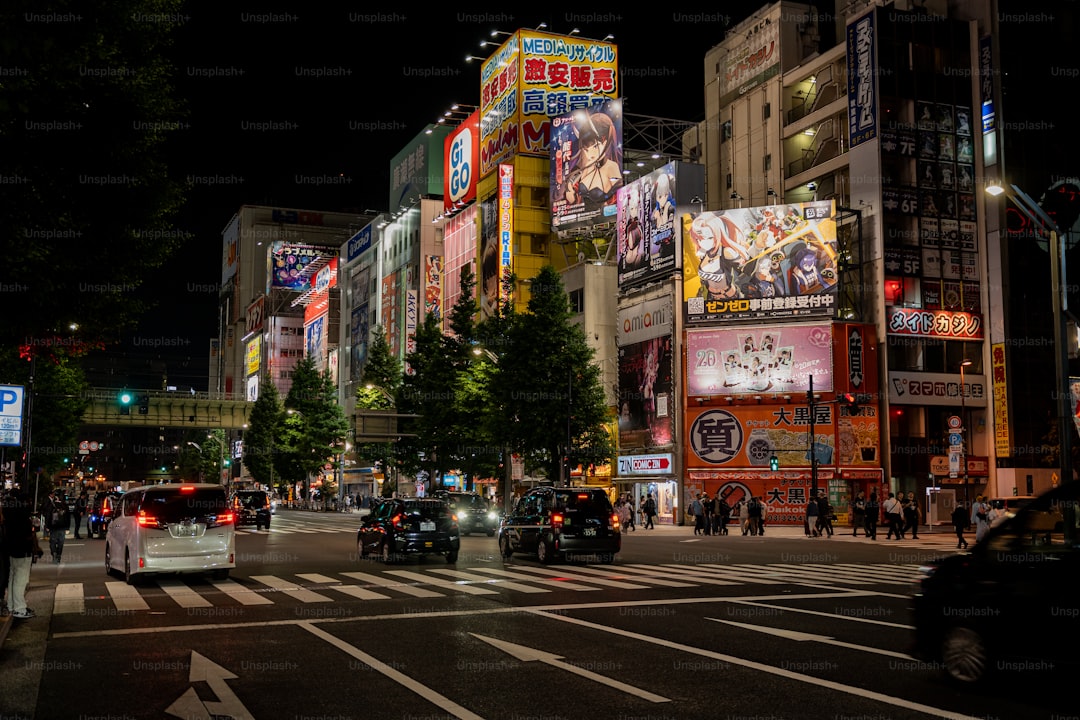
From the neon-lit streets of Akihabara to the serene temples of Kyoto that inspired scenes in beloved series, fans are meticulously planning itineraries around anime locations. And it’s not just Japan. The Philippines has emerged as a surprise hotspot, recording a 155% year-on-year increase in anime-related travel searches on Trip.com. Thailand and South Korea are also riding the wave, with K-drama and anime crossover tourism creating entirely new travel corridors.
Why Anime Tourism Hits Different
Unlike generic sightseeing, anime tourism is deeply personal. Fans aren’t just visiting a location — they’re recreating iconic scenes, visiting real-life settings that inspired their favorite shows, and connecting with communities of like-minded travelers who share their passion.
Consider Kyoto, where traditional cultural tourism is now merging with anime-themed “set-jetting.” Local guides have started offering specialized tours that connect anime-related sites with traditional experiences — think visiting a Kyoto Animation-inspired location in the morning and a 500-year-old temple in the afternoon. It’s a fusion that’s attracting a completely new demographic to heritage destinations.
Japan’s hotel industry is feeling the impact firsthand. Anime fans are increasingly competing with business travelers for rooms across major Asian cities, driving up demand in ways the hospitality industry never anticipated. During major anime events or seasonal releases, certain neighborhoods in Tokyo and Osaka see occupancy rates that rival peak business travel seasons.
The Top Anime Destinations Dominating 2026
Based on search data and travel booking trends, these are the destinations anime fans are flocking to this year:
- Tokyo, Japan — The undisputed capital. Akihabara, Nakano Broadway, and the Ghibli Museum remain the holy trinity of anime pilgrimages. New additions include themed cafés and pop-up experiences tied to the latest seasonal releases.
- Kyoto, Japan — The unexpected star. Kyoto Animation’s influence has turned this traditional city into a must-visit destination, with fans seeking out the real-life locations behind series like Violet Evergarden and Sound! Euphonium.
- Osaka, Japan — Universal Studios Japan’s anime collaborations and the city’s vibrant otaku culture make it a natural extension of any Tokyo anime trip.
- Manila & Cebu, Philippines — The fastest-growing anime tourism market in Southeast Asia, with a massive and passionate fanbase driving demand for anime-themed events and experiences.
- Seoul, South Korea — The K-drama and anime crossover effect is real. Fans are combining trips to manhwa exhibitions with visits to webtoon cafés and animation studios.
The Business Side: Airlines, Hotels, and Governments Are Paying Attention
This isn’t just a fan movement — it’s becoming big business. Airlines have started offering anime-themed flights and destination packages. Hotels near popular anime locations are rebranding to cater specifically to otaku travelers. And local governments across Japan and Southeast Asia are actively investing in anime tourism infrastructure, recognizing it as a sustainable revenue stream.
Trip.com has noted that anime-inspired travel searches aren’t limited to domestic trips. International bookings driven by anime fandom have seen the sharpest growth, with fans from Europe, North America, and across Asia planning dedicated anime pilgrimage tours. The average spend per trip is also significantly higher than traditional tourism, as fans invest in merchandise, themed dining, and exclusive experiences.
What This Means for the Future of Travel
The anime tourism boom of 2026 is more than a trend — it’s a fundamental shift in how younger generations choose to travel. The line between fandom and tourism has blurred completely, and the travel industry is scrambling to keep up.
As more anime series continue to dominate global streaming charts — from One Piece and Jujutsu Kaisen to Frieren and Solo Leveling — the destinations they showcase will only grow in popularity. The question isn’t whether anime tourism will continue to grow, but how fast the industry can adapt to serve this passionate, dedicated, and rapidly expanding community of travelers.
Have you ever planned a trip around an anime or manga location? Which destination is on your anime pilgrimage bucket list? Drop your picks in the comments — we’d love to hear where fandom is taking you next.