


Here’s a question nobody saw coming: how does a video game anime adaptation actually get better than its first season? Netflix’s Devil May Cry Season 2 just dropped on May 12, 2026, and the answer is simpler than you’d think. It’s called Vergil.
If Season 1 was the spark that proved Adi Shankar and the Netflix animation team knew how to handle Capcom’s legendary demon-hunting franchise, Season 2 is the full-blown fire that turns everything up to eleven. The twin brother rivalry between Dante and Vergil finally hits the screen, and fans are losing their minds over every single frame.
This has been a massive year for anime, from Jujutsu Kaisen Season 4 confirmation to the Demon Slayer vs Chainsaw Man box office war. But Devil May Cry Season 2 might be the one that changes how we think about game-to-anime adaptations entirely.
What Makes Season 2 Different — And Why It Matters
The biggest shift this season is tonal. Season 1 was pure swagger — Dante being Dante, cracking jokes while slicing demons into confetti. Season 2 takes that swagger and drops it into a political war zone. The U.S. government, through DARKCOM, is waging an actual military campaign against Makai (the demon realm). Billionaire businessman Arius and his corporation Uroboros are funding the war with advanced technology, all while hunting for an ancient relic called the Arcana.
Meanwhile, Lord Mundus sends Vergil to Earth to tip the scales in Hell’s favor. And when Vergil arrives, the world learns that demons are real. That alone is a massive story beat that the first season never fully committed to.
The creative decision to blend elements from both Devil May Cry 2 and Devil May Cry 3: Dante’s Awakening gives the season its backbone. You get Arius from DMC2 as the corporate villain, and you get the iconic brother-vs-brother dynamic that defined DMC3. It’s ambitious — and mostly it works.
The Dante-Vergil Dynamic Is Pure Gold
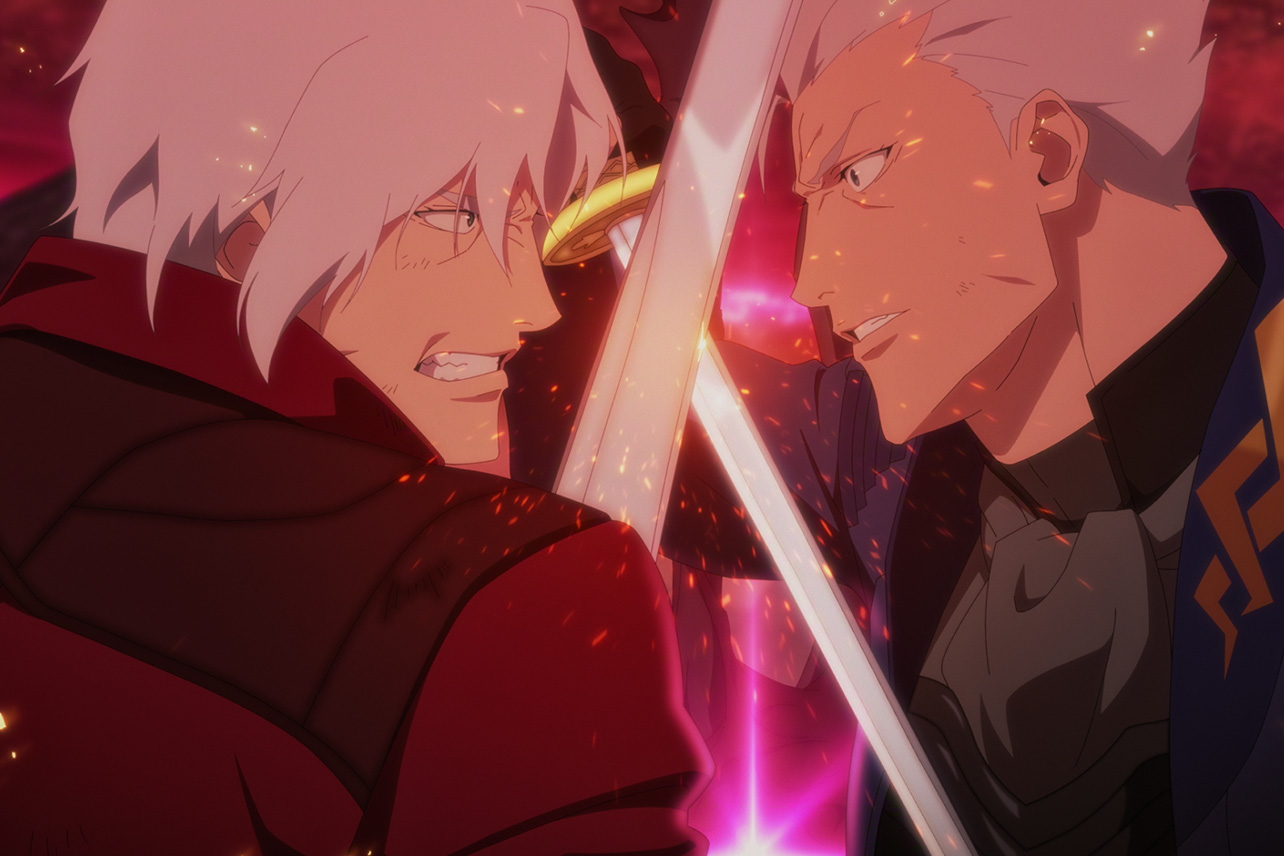
Let’s talk about what everyone actually came for: the rivalry. Season 2 doesn’t hold back on Vergil’s introduction. His Devil Trigger is brutal, his presence is menacing, and his backstory under Mundus’s guidance transforms him into the kind of ruthless killer that makes you root for him even as he’s doing terrible things.
Dante’s reawakening is framed hilariously — trapped in cryogenic imprisonment by Baines and DARKCOM, he’s put through what amounts to a psychological evaluation to see if he’s fit to return to duty. The contrast between Dante’s chaotic humor and Vergil’s cold precision is exactly what fans of the games have been waiting to see animated at this scale.
The flashbacks to their childhood add real emotional weight. You see young Dante as a natural fighter, while Vergil is portrayed as more fragile, coddled by their mother Eva. The tragedy of Eva’s death and how it sends the twins down completely opposite paths is the emotional core that makes every fight scene feel earned rather than gratuitous.
The Animation and Action Are Next Level
Netflix didn’t cut corners. The action choreography in Season 2 is widely being praised as some of the best in any video game adaptation ever made. Every Devil Trigger transformation, every sword clash between the Sparda twins, every demon dismemberment is animated with a level of detail that respects both the source material and the audience.
The visual style maintains that nu-metal-meets-dark-fantasy aesthetic that made Season 1 such a distinctive watch. Critics on Rotten Tomatoes have highlighted the “bigger action, stronger emotional stakes, and explosive Dante-Vergil rivalry” as proof the adaptation has finally found its true identity.
Where It Stumbles
It’s not perfect. Screen Rant’s review pointed out that the pacing feels uneven at times, with the heavy focus on flashbacks and Vergil’s backstory creating what some viewers feel like filler. IGN’s review noted that while two human-demon hybrids are better than one, Dante’s reduced screen time is a minor drawback for fans who loved his chaotic energy in Season 1.
But even those criticisms come wrapped in overall positive assessments. The consensus is clear: Season 2 delivers more than it stumbles.
Why Devil May Cry Season 2 Is a Watershed Moment for Game Anime
This isn’t just a good video game adaptation. This is proof that the medium can rival the best of mainstream anime. When you compare it to shows like Cyberpunk: Edgerunners or Arcane, Devil May Cry Season 2 holds its own — and for a franchise that started as a PlayStation game in 2001, that’s genuinely remarkable.
The fact that Adi Shankar has been steering this ship from his Castlevania days through to Devil May Cry shows a consistent vision: take beloved game properties, respect their core identity, and don’t be afraid to expand the lore in ways the games themselves never explored.
While isekai anime dominate the conversation this year, Devil May Cry Season 2 proves that game adaptations deserve a seat at the table too. With Season 2 now streaming on Netflix, the question isn’t whether this show deserves your attention. The question is whether any other game adaptation in 2026 can top it.
What Do You Think?
Is Devil May Cry Season 2 the best video game anime adaptation ever made? Does the Dante-Vergil rivalry live up to what the games built, or does the heavier plot drag things down? And most importantly — who won that first brother fight in your mind? Drop your hot takes. We’re reading all of them.