



If you think anime fans just sit in their rooms watching screens all day, 2026 has a massive surprise for you. They are packing their bags, booking flights, and traveling across Asia — turning their favorite fictional worlds into real-life destinations. And the numbers are absolutely staggering.
Travel booking platform Trip.com just revealed a 195% year-on-year surge in searches for anime- and comic-related travel experiences across Asia. In the Philippines alone, searches jumped 155%. This is not a niche hobby anymore. This is a cultural and economic force reshaping how millions of people experience travel — and it is called set-jetting.
What Exactly Is Anime Set-Jetting?
Set-jetting is the practice of traveling to real-world locations featured in or inspired by anime, manga, and other pop culture media. Think of it as a pilgrimage — but instead of religious shrines, fans are visiting the exact staircases from Your Name, the rural towns behind Yuru Camp, and the Tokyo neighborhoods where Code Geass characters would have walked.
The trend has evolved far beyond casual photo ops. Japan’s Anime Tourism Association now maintains an official 88 Anime Spots list — modeled after the traditional Shikoku 88 Temple Pilgrimage — giving fans a structured, bucket-list approach to anime travel. It is part tourism board strategy, part otaku dream come true.
Why Anime Tourism Is Exploding Right Now
1. Post-Pandemic Travel Meets Anime’s Golden Age
The timing is perfect. International travel has rebounded strongly, and anime itself has entered what many consider its greatest era. With series like Summer 2026’s incredible lineup generating massive global buzz, fans have more emotional connections to anime worlds than ever before. When your favorite show hits different, you want to touch the places that inspired it.
2. Social Media Amplifies Everything
TikTok and Instagram have turned anime pilgrimage spots into viral destinations. A single video of someone recreating a famous anime scene at a real location can rack up millions of views overnight — and suddenly thousands of fans want to visit the same place. The Suga Shrine stairs in Tokyo, made iconic by Your Name, became a global sensation largely through social media sharing.
3. Governments Are Playing Along
Japan has fully embraced anime tourism as a national tourism strategy. Rural towns that would otherwise struggle with depopulation are now actively marketing themselves as anime pilgrimage destinations. Dedicated route guides, special merchandise, and seasonal events are transforming quiet villages into fan hotspots. This is coordinated, intentional, and incredibly effective.
4. Streaming Platforms Are Fueling the Fire
Netflix and Crunchyroll’s aggressive expansion means anime is more accessible globally than ever. As the streaming wars intensify, more people discover anime for the first time — and a significant portion of them decide to experience Japan firsthand. The pipeline from first anime on Netflix to booking a flight to Tokyo is shorter than you think.
The Top Anime Pilgrimage Destinations in 2026
Tokyo — The Eternal Anime Capital
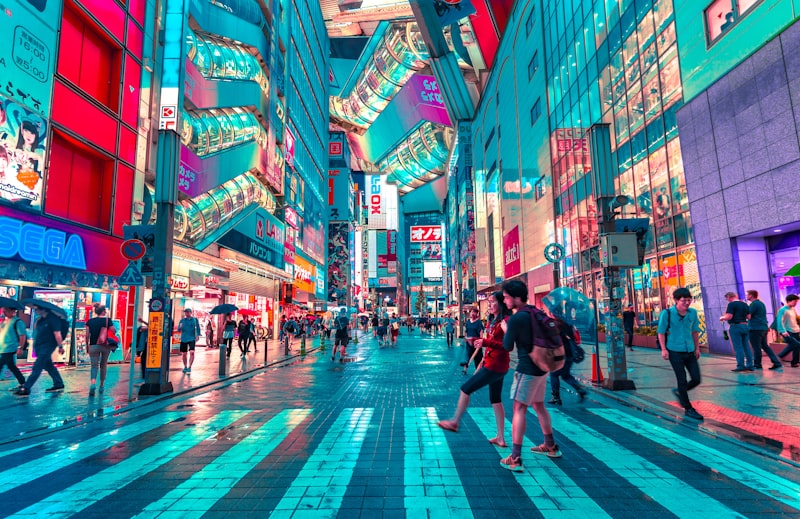
Tokyo remains the undisputed center of anime tourism. From Akihabara’s electronics and manga emporiums to the real-world locations behind iconic scenes, the city offers an almost overwhelming density of anime-related experiences. The Suga Shrine stairs (Your Name), the Shibuya Crossing (countless anime), and the various cafes and shops in Ikebukuro and Nakano Broadway are essential stops for any anime tourist.
Code Geass and Banana Fish Routes
2026 has seen a particular surge in fans following dedicated routes tied to Code Geass and Banana Fish. These series feature real Tokyo locations that fans can walk through step by step, essentially living out the anime’s geography. The Anime Tourism Association’s expanded guides now include detailed maps and commentary for these routes, making it easy for international visitors to navigate.
Beyond Japan — Asia’s Anime Travel Boom
Here is where things get really interesting. The anime tourism boom is no longer confined to Japan. Filipino fans are emerging as one of the fastest-growing demographics in anime travel, with Trip.com reporting the 155% surge specifically from the Philippines. Fans are using Japan and broader Asian destinations as hubs for multi-country anime-inspired trips, visiting manga exhibitions in Taiwan, anime music festivals in South Korea, and themed events across Southeast Asia.
The Economic Impact Is Real
Hotels across Asia are reporting something unprecedented: anime fans increasingly competing with business travelers for rooms in major cities. Business travelers, a traditionally reliable revenue source for urban hotels, are now sharing lobbies with fans carrying anime merchandise bags and camera equipment. In some cities near major anime locations, boutique hotels have started offering themed rooms and anime tour packages — and they are selling out.
The economic ripple extends beyond accommodation. Restaurants near popular anime spots report increased foot traffic. Local shops stock anime merchandise. Transportation companies offer special pilgrimage tour packages. Entire economies in previously overlooked rural areas are finding new life through anime tourism.
What This Means for the Future
Several trends point toward anime tourism continuing to grow:
- More anime with real-world settings: Studios are increasingly choosing recognizable real locations for their anime, knowing it drives tourism and provides free marketing.
- Dedicated travel platforms: Specialized platforms combining anime location guides with booking tools are emerging, making it easier than ever to plan an anime pilgrimage.
- Year-round events: The 2026 calendar of anime festivals, conventions, and events across Asia is packed, giving fans concrete reasons to travel beyond just visiting locations.
- Netflix’s anime investment: With Netflix dropping major anime titles and building its anime library, the pipeline from screen to real-world travel is only getting wider.
Is This the New Normal?
The short answer: yes. Anime tourism in 2026 is not a flash trend. It is a structural shift in how pop culture consumers interact with the media they love. When a story moves you deeply enough, you do not just want to watch it — you want to experience it. And for millions of fans worldwide, that means booking a flight, grabbing a camera, and walking the same streets as their favorite characters.
The anime effect is real. It is measurable. And it is only getting bigger. Whether you are a lifelong otaku or a casual viewer who just discovered anime through Netflix, the world of anime travel is more accessible, more organized, and more exciting than ever before.
So here is the question: If you could visit one anime location in real life, where would you go? Drop your dream anime pilgrimage destination in the comments below — and tell us why it matters to you.